
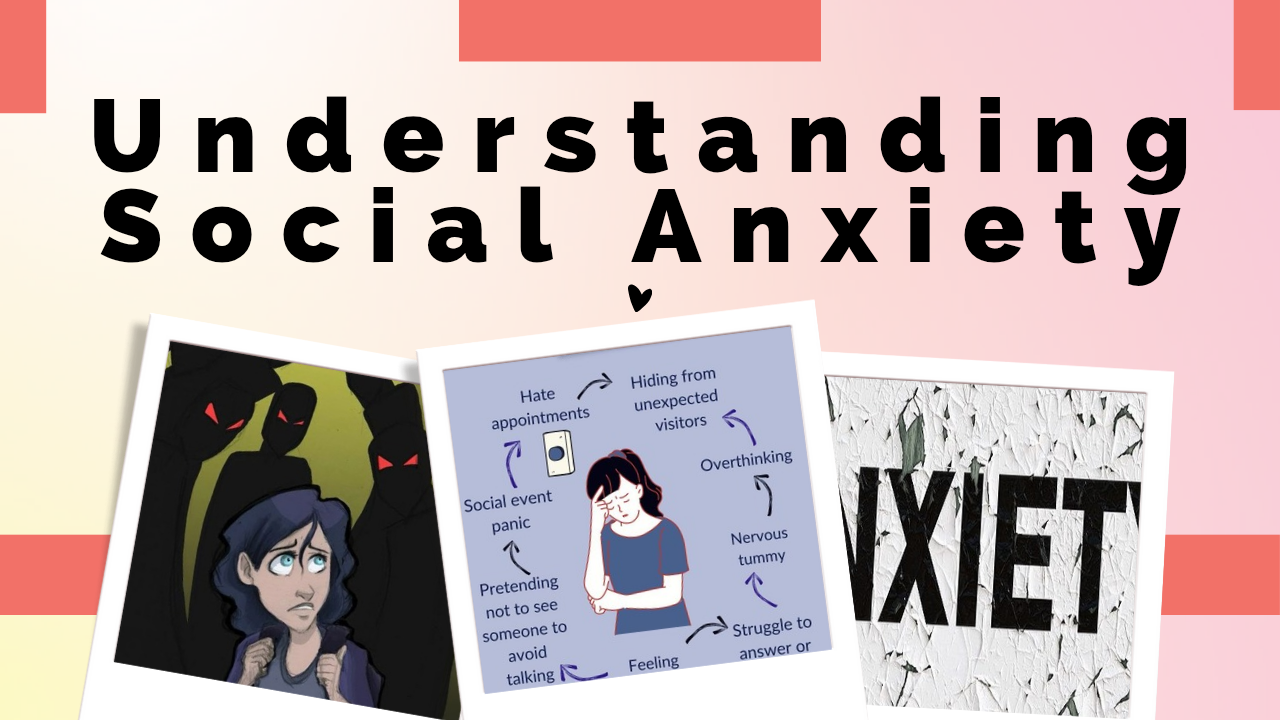
Understanding Social Anxiety:Discover essential facts about social anxiety, its symptoms, causes, and practical tips for students to overcome social fears and succeed confidently in social and academic settings.
Table of Contents
Introduction

Understanding Social Anxiety:Social anxiety disorder (SAD) is more than just shyness—it’s a significant condition that affects many students worldwide. Characterized by intense fear or avoidance of social situations, it can impact academic performance, friendships, and overall well-being. This comprehensive article explores key aspects of social anxiety, its impact, and actionable strategies tailored for students to manage and overcome it.
1. Understanding Social Anxiety:What Is Social Anxiety?
Social anxiety disorder is a persistent fear of being judged, embarrassed, or humiliated in social or performance situations. Students with social anxiety may avoid class participation, group projects, or socializing, impairing their school experience.
2.Understanding Social Anxiety: Common Causes of Social Anxiety
- Genetic predisposition
- Childhood temperament (shyness or withdrawal)
- Traumatic social experiences
- Brain chemistry differences
- New social or academic demands, like presentations or making friends.
3.Understanding Social Anxiety: Emotional Symptoms to Recognize
- Fear of negative judgment
- Worry about embarrassing oneself
- Intense anxiety before and during social interactions
- Fear of physical anxiety symptoms (blushing, sweating).
4. Understanding Social Anxiety:Physical Symptoms Students Might Notice
- Rapid heartbeat or palpitations
- Trembling or shaking
- Excessive sweating
- Nausea or upset stomach
- Muscle tension
- Difficulty breathing or dizziness.
5.Understanding Social Anxiety: Behavioral Signs in School Settings
- Avoidance of speaking in class or asking questions
- Skipping school or social events
- Staying in the background to avoid attention
- Difficulty making eye contact.
6.Understanding Social Anxiety: Impact on Academic Performance
Social anxiety can reduce participation, lower test performance due to anxiety, and limit group collaboration, affecting grades and learning experiences.

7.Understanding Social Anxiety: Co-occurring Conditions
Students with social anxiety often face depression, low self-esteem, substance abuse, or other anxiety disorders. Early identification is crucial to prevent complications.
8.Understanding Social Anxiety: Why Students Are Vulnerable
Teenage and young adult years involve new social challenges — clubs, dating, part-time jobs — increasing anxiety risk during this sensitive period.
9.Understanding Social Anxiety: Myths About Social Anxiety
- It’s “just shyness” and will go away by itself (false)
- Social anxiety means being antisocial (false; sufferers want connection but fear it)
- People can “snap out of it” with willpower alone (false).
10.Understanding Social Anxiety: How to Talk About It
Encourage open conversations with trusted friends, family, or counselors without judgment. Normalizing the experience helps students seek help.
11. Understanding Social Anxiety:Practical Strategies to Reduce Anxiety
- Deep breathing and mindfulness exercises
- Gradual exposure to feared social situations
- Preparing and practicing social interactions like presentations
- Positive self-talk and challenging negative thoughts.
12.Understanding Social Anxiety: School Resources for Support
Many schools offer counseling services, peer support groups, and accommodations like extra test time or alternative oral presentations.
13.Understanding Social Anxiety: When to Seek Professional Help
If social anxiety severely limits participation, causes panic attacks, or leads to depression, a mental health professional’s guidance is essential.
14.Understanding Social Anxiety: Cognitive-Behavioral Therapy (CBT)
CBT is the most effective treatment, helping students restructure negative thoughts and build confidence in social situations.
15. Understanding Social Anxiety:Medication Options
In some cases, doctors may prescribe SSRIs or anti-anxiety medications alongside therapy to relieve symptoms.
16. Understanding Social Anxiety:Role of Family and Friends
Supportive relationships reduce isolation and encourage students to face anxieties gradually.
17.Understanding Social Anxiety: Building Social Skills
Joining clubs, volunteering, or low-stakes social settings can develop communication skills and reduce fear.
18. Understanding Social Anxiety:Self-Care Tips
Balanced sleep, regular exercise, healthy eating, and limiting caffeine or alcohol can improve overall anxiety management.
19. Online and Mobile Resources
Apps focused on mindfulness, anxiety tracking, and guided CBT exercises can offer supplementary help.
20.Understanding Social Anxiety: Moving Forward with Confidence
Understanding social anxiety and implementing practical tools empowers students to embrace social and academic life with resilience.

Understanding Social Anxiety:Practical Guide to Managing Social Anxiety for Students
Understanding Social Anxiety
Social anxiety is an intense, persistent fear of being judged or embarrassed in social situations. It can interfere with classroom participation, making friends, and everyday interactions. Awareness is the first step toward managing it.
Step 1: Recognize Your Anxiety Triggers
Identify specific social situations that cause anxiety, such as:
- Speaking in class
- Attending social events
- Meeting new people
- Group projects or presentations
Keeping a journal of when and where anxiety peaks can help increase self-awareness.
Step 2: Practice Relaxation Techniques
Calm your body and mind using methods like:
- Deep breathing exercises: Inhale slowly for 4 seconds, hold for 4, exhale for 6.
- Progressive muscle relaxation: Tighten and release muscle groups progressively.
- Mindfulness meditation: Focus on the present moment without judgment.
Regular practice can reduce overall anxiety levels.
Step 3: Challenge Negative Thoughts
Social anxiety often stems from irrational fears. Question and replace them with balanced thoughts:
- Instead of “Everyone thinks I’m stupid,” think “Some may not agree, but many are focused on themselves.”
- Write down evidence for and against negative beliefs.
Cognitive restructuring like this is central to Cognitive Behavioral Therapy (CBT).
Step 4: Gradual Exposure to Social Situations
Start small and progressively face feared social activities:
- Begin with saying hello to classmates.
- Participate in group discussions with prepared points.
- Give a short presentation in front of a few trusted peers before larger groups.
This builds confidence without becoming overwhelming.
Step 5: Build Social Skills
Practice communication skills like:
- Making eye contact
- Active listening
- Smiling and using open body language
Joining clubs or interest-based groups provides low-pressure environments for practice.
Step 6: Use School Resources
Many schools provide support such as:
- Counseling services and therapy referrals
- Peer support groups
- Academic accommodations (extra time, oral exams)
Reach out to counselors or teachers for help.
Step 7: Maintain Healthy Lifestyle Habits
- Get 7-9 hours of sleep per night
- Exercise regularly
- Eat balanced meals
- Limit caffeine and avoid substances that increase anxiety
A healthy body supports a calmer mind.
Step 8: Seek Professional Help If Needed
If anxiety is severe or persistent:
- Consider seeing a mental health professional for therapy (CBT is most effective)
- Medication may be recommended in some cases
Don’t hesitate to ask for help; early intervention improves outcomes.
Helpful Tools and Apps
- Mindfulness apps (e.g., Headspace, Calm)
- Anxiety tracking apps to monitor triggers and progress
- Guided CBT exercises available online
Final Tips
- Be patient; overcoming social anxiety takes time.
- Celebrate small victories.
- Talk about your feelings with trusted friends or family.
- Remember, you are not alone, and many students share similar challenges.
This practical guide integrates well-researched anxiety management methods specifically for students, focusing on actionable steps and support resources aligned with the latest mental health approaches
Understanding Social Anxiety:Here is a clear and concise table summarizing practical strategies for managing social anxiety tailored for students:
| Step | Strategy | Description | Practical Tips for Students |
|---|---|---|---|
| 1 | Recognize Triggers | Identify social situations that cause anxiety | Keep a journal of anxiety episodes and situations |
| 2 | Relaxation Techniques | Techniques to calm mind and body during anxiety | Deep breathing, progressive muscle relaxation, mindfulness exercises |
| 3 | Challenge Negative Thoughts | Replace irrational fears with balanced, positive thinking | Use thought records, reframe “Everyone is watching me” to “People are busy with themselves” |
| 4 | Gradual Exposure | Slowly face feared social situations starting from less scary to more challenging | Start with saying hello, participate in small groups, then give presentations |
| 5 | Build Social Skills | Practice communication skills like eye contact and active listening | Join clubs, role-play conversations, practice assertiveness |
| 6 | Use School Resources | Seek support such as counseling, peer groups, and accommodations | Contact school counselors, join support groups |
| 7 | Healthy Lifestyle Habits | Maintain overall well-being to reduce anxiety | Sleep 7-9 hours, exercise regularly, eat balanced meals, limit caffeine |
| 8 | Seek Professional Help | Consider therapy or medication if anxiety is severe | Cognitive Behavioral Therapy (CBT), medication as prescribed |
| 9 | Use Helpful Tools and Apps | Supplement self-help with digital resources | Mindfulness and CBT apps like Headspace or Calm |
| 10 | Self-Care and Patience | Be kind to yourself and celebrate progress | Practice self-compassion, track small wins |
This table provides a structured, easy-to-follow practical guide for students managing social anxiety, combining evidence-based techniques with accessible tips for daily life and academic settings

Social Anxiety Management Checklist for Students
Recognize and Understand
- Identify personal anxiety triggers and situations
- Learn about social anxiety symptoms and effects
Relaxation Techniques
- Practice deep breathing exercises daily
- Use progressive muscle relaxation regularly
- Try mindfulness meditation sessions
Cognitive Strategies
- Keep a thought record to challenge negative beliefs
- Replace catastrophic thoughts with balanced ones
Gradual Exposure
- Create a fear hierarchy of social situations
- Start with low-anxiety social exposures (e.g., greeting classmates)
- Gradually progress to more challenging situations (e.g., presentations)
Social Skills Practice
- Practice making eye contact and smiling
- Join social or interest-based groups for safe practice
- Role-play social interactions and assertiveness
Use Support Systems
- Contact school counselor or mental health resources
- Join peer support or anxiety management groups
Lifestyle and Self-Care
- Maintain regular sleep schedule (7-9 hours)
- Exercise at least 3 times a week
- Eat balanced meals and limit caffeine intake
Professional Help
- Seek cognitive-behavioral therapy if anxiety persists
- Consider medication consultation if recommended by a professional
Monitor Progress
- Journal social anxiety episodes and coping success
- Celebrate small social victories and improvements
- Adjust goals and strategies as needed with support
This checklist serves as a daily or weekly guide for students to actively track and reinforce their social anxiety management efforts. It complements therapy or self-help approaches and encourages gradual confidence building
Here are some easy and practical ways for students to begin overcoming social anxiety:
- Start Small with Social Interactions
Begin with low-pressure situations like greeting a classmate or making small talk with a familiar person. Gradually increase the complexity and duration of social interactions at your own pace. - Practice Deep Breathing
When feeling anxious, pause and take slow, deep breaths. Inhale for 4 seconds, hold briefly, and exhale for 6 seconds. This calms the nervous system and reduces immediate anxiety symptoms. - Focus Outward, Not Inward
Shift your attention from “How am I being perceived?” to “What is the other person saying?” This reduces self-focused negative thoughts and helps you engage more naturally. - Prepare and Rehearse
Before social or academic interactions, plan what you want to say or do. Practice in front of a mirror or with a trusted friend to build confidence. - Use Positive Self-Talk
Replace thoughts like “I’ll embarrass myself” with “I am capable, and it’s okay to be imperfect.” Affirmations help reshape your mindset over time. - Celebrate Small Wins
Acknowledge even minor successes like asking a question or joining a group activity. Each step forward builds momentum and courage. - Stay Consistent with Relaxation Practices
Practice mindfulness, progressive muscle relaxation, or meditation regularly—even when not anxious—to build resilience. - Seek Support When Needed
Reach out to school counselors, trusted friends, or family members. Talking about your social anxiety can reduce its power and open doors to help.
These simple, everyday steps make overcoming social anxiety manageable and less intimidating, empowering you to regain confidence and participate more fully in social and academic life. Consistency and patience are key to progress
Examples of Effective Self-Talk for Social Anxiety:
| Negative Self-Talk | Positive Self-Talk |
|---|---|
| “I’m going to embarrass myself.” | “It’s okay to make mistakes; everyone does.” |
| “No one will listen or care.” | “People are interested in what I have to say.” |
| “I can’t do this.” | “I am capable of handling this situation.” |
| “I’ll mess up if I try.” | “I will do my best, and that’s enough.” |
| “They’ll judge me.” | “People are more focused on themselves than judging me.” |
Tips for Practicing Self-Talk:
- Be aware of your thoughts: Notice your inner dialogue, especially during anxious moments.
- Counter negative thoughts immediately: Replace them with positive or neutral statements.
- Make it habitual: Practice positive self-talk daily, especially before social situations.
- Use affirmations: Develop short, confident phrases like “I am calm,” “I can handle this,” or “I am worthy.”
Why Self-Talk Works:
Positive self-talk can reframe anxious thoughts, reduce physiological symptoms of anxiety, and reinforce your motivation and confidence in social settings. Over time, consistently practicing constructive self-talk helps transform your mindset from fear to confidence.
Handling fear about people, especially in social anxiety, involves a combination of mindset shifts, practical skills, and gradual exposure. Here are effective strategies:
1. Understand the Fear
Recognize that fear of people often stems from concerns about judgment, rejection, or making mistakes. Accept that these thoughts are common but not facts.
2. Practice Deep Breathing and Grounding
When fear arises, use deep breathing to calm your nervous system. Ground yourself by focusing on physical sensations—feet on the floor, feeling your breath—to reduce panic.
3. Challenge Negative Assumptions
Ask yourself: “What evidence do I have that people are judging me?” Replace exaggerated fears with realistic thoughts, like “Most people are focused on their own concerns.”
4. Use Gradual Exposure
Start by interacting in less threatening social situations, progressively increasing difficulty. For example, start with a smile or hello, then small conversation, moving toward larger groups.
5. Build Social Skills
Confidence grows when you practice skills like making eye contact, active listening, and holding conversations. Role-play or practice with a trusted friend.
6. Develop Positive Self-Talk
Counter fears with affirmations like “I am capable,” “I can stay calm,” or “It’s okay to be imperfect.”
7. Seek Support
Talk to trusted friends or a counselor about your fears. Sharing reduces isolation and provides perspective and encouragement.
8. Accept Imperfection
Everyone makes mistakes and feels awkward sometimes. Accepting this can lessen fear’s power.
Action Creates Feeling: 20 Powerful Ways to Use Action to Shape Your Emotions