
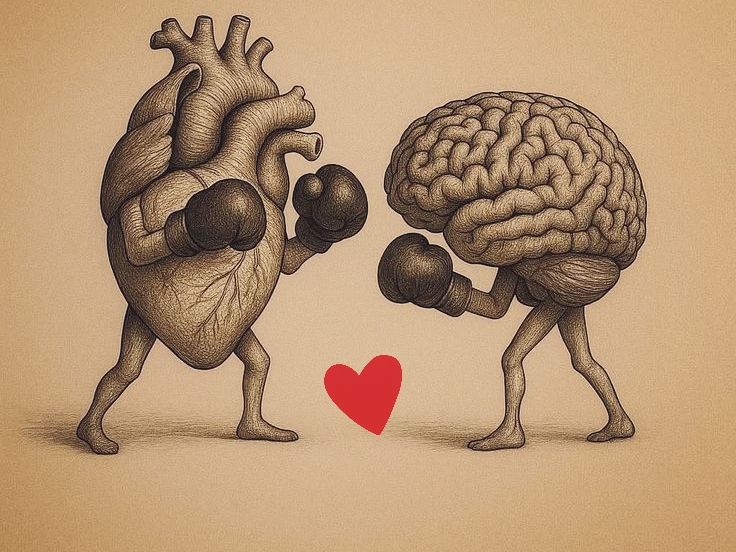
Youth today navigate a world of social media swipes, fleeting friendships, and high-stakes relationships, making attachment issues a hidden challenge that disrupts emotional stability. This comprehensive guide breaks down attachment issues into actionable listicles, drawing from expert research to empower you with knowledge and strategie
Table of Contents
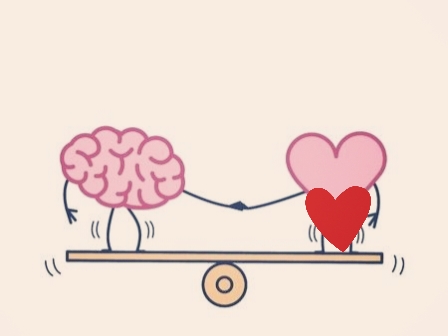
15 Signs You’re Grappling with Attachment Issues
Spotting attachment issues early helps you take control before they sabotage your vibe with friends, dates, or family. Youth often dismiss these as “just stress,” but they stem from early experiences shaping how you connect.
- You obsess over texts, replaying silences as rejection signals.
- Pushing people away feels safer than risking heartbreak.
- Clinginess kicks in fast, demanding constant proof of loyalty.
- Trust evaporates after minor letdowns, triggering full shutdowns.
- Jealousy flares in group hangs, fearing everyone steals your spot.
- Emotional rollercoasters dominate—euphoric one day, ghosting the next.
- Independence masks loneliness; you avoid deep talks like the plague.
- Past breakups haunt every new crush, projecting old pain.
- Boundaries blur: you overshare or stonewall without reason.
- Self-sabotage reigns—you bail when things get real.
- Family drama replays in your social circle unconsciously.
- Low-key anxiety spikes around commitment talks.
- You attract “projects” or emotionally unavailable types repeatedly.
- Mood swings tie directly to relationship status updates.
- Feeling unworthy lurks beneath your confident Insta facade.
- The Hidden Cost of Negative SelfTalk: 25 Shocking Ways It Sabotages Your Youth
These signs affect 35-40% of young adults with insecure attachments, linking to higher depression risks.

4 Core Types of Attachment Styles Explained
Attachment theory, pioneered by John Bowlby, categorizes how youth bond based on caregiver responses. Understanding your style demystifies attachment issues and opens healing paths.
| Attachment Style | Core Belief | Youth Behaviors | Prevalence in Youth |
|---|---|---|---|
| Secure | “I’m worthy; others reliable” | Balances closeness and space; communicates openly 4attachmentstylesquiz | ~50-60% zipdo |
| Anxious | “Abandonment looms; chase connection” | Seeks reassurance, overanalyzes womenscounselingcenterdenver | ~20% zipdo |
| Avoidant | “Self-reliance safest; needs weaken” | Pulls back from intimacy womenscounselingcenterdenver | ~15-20% zipdo |
| Disorganized | “Closeness scares; chaos inside” | Push-pull cycles, fear-driven 4attachmentstylesquiz | ~5-15% ncbi.nlm.nih |
Secure youth thrive; insecure styles fuel attachment issues, but all can shift with effort.
12 Root Causes Fueling Attachment Issues in Youth
Attachment issues don’t appear randomly—they trace back to early disruptions. Modern youth face unique twists like digital neglect or pandemic isolation amplifying these.
- Inconsistent parenting: Hot-and-cold emotional availability confuses young brains.
- Trauma or abuse: Physical, emotional hits wire fear into bonds.
- Parental mental health struggles: Depression or addiction leaves kids unseen.
- Frequent moves or separations: Uprooting erodes stability.
- Enmeshment: Parents overly involved, smothering independence.
- Neglect: Basic needs met sporadically, breeding doubt.
- Divorce drama: Loyalty pulls tear kids apart.
- Social media overload: Filtered perfection spikes comparison anxiety.
- Bullying or peer rejection: Schoolyard wounds echo in adult ties.
- Foster care or adoption shifts: Multiple caregivers disrupt trust.
- Pandemic isolation: Lost rituals heightened attachment issues.
- Generational trauma: Unhealed family patterns pass down silently.
About 40-50% of kids develop insecure attachments from such factors.<!– Assuming a diagram of attachment styles from tools, but since none, skip or use if provided –>
10 Impacts of Attachment Issues on Youth Dating
Attachment issues turn dating into a minefield for youth, where swipes lead to cycles of ghosting or drama. Recognize patterns to break free.
- Anxious types test partners endlessly, fearing the axe.
- Avoidants ghost when vulnerability calls.
- Disorganized dynamics create addictive push-pull chemistry.
- Chronic heartbreak from self-fulfilling prophecies.
- Hookup culture masks deeper intimacy fears.
- STD/STI risks rise from impulsive rebounds.
- Social media stalking amps paranoia.
- FOMO kills budding real connections.
- Therapy avoidance prolongs single status.
- Healthy matches fizzle from mismatched styles.
Insecure attachments predict 50% negative romantic outcomes.
8 Myths About Attachment Issues Busted
Misconceptions keep youth stuck in attachment issues, blaming personality over patterns. Bust them to reclaim power.
- Myth: Only adoptees face attachment issues. Fact: Any trauma disrupts bonds.
- Myth: Anxious = needy/clingy. Fact: It’s inconsistent caregiving’s scar.
- Myth: Avoidants hate relationships. Fact: They fear unmet needs.
- Myth: You can’t change styles. Fact: Neuroplasticity allows rewiring.
- Myth: It’s all your fault. Fact: Early environments shape 80%.
- Myth: Therapy fixes it overnight. Fact: Consistent work yields results.
- Myth: Secure = perfect childhood. Fact: Many heal from insecure starts.
- Myth: Attachment issues fade with age. Fact: Untreated, they persist.
15 Ways to Overcome Attachment Issues as a Young Adult
You hold the power to heal attachment issues—start small, stay consistent. Youth brains adapt quickly with these evidence-based steps.
- Take a free attachment style quiz online (https://myattachmentstylequiz.com).[8]
- Journal triggers daily to spot patterns.
- Practice self-soothing: Breathe deep during anxiety spikes.
- Set boundaries early in friendships/dates.
- Seek therapy like Attachment-Based Family Therapy (ABFT).
- Build a “secure base” friend circle for practice.
- Read “Attached” by Amir Levine for insights.
- Challenge negative self-talk with affirmations.
- Exercise to regulate emotions—youth love gym flows.
- Mindful dating: Pause before reacting to texts.
- Group therapy for peer mirroring.
- Track wins in a “secure moments” app.
- Forgive past caregivers without excusing harm.
- Volunteer to foster empathy muscles.
- Reassess style quarterly—progress tracks change.
Studies show routines reduce avoidance by 26%.
7 Best Therapies for Attachment Issues in Youth
Professional help accelerates healing from attachment issues. Tailor to your style for fastest gains.
- ABFT: Repairs family bonds directly.
- CBT: Reframes anxious thoughts.
- EFT: Emotion-focused for deeper feels.
- Group therapy: Peers normalize struggles.
- DBT: Skills for disorganized chaos.
- EMDR: Trauma release for roots.
- Schema therapy: Childhood blueprint rewrite.
ABFT cuts suicidal ideation in teens.
12 Real Stories from Youth Battling Attachment Issues
Inspiration from peers shows attachment issues don’t define you. Celebs and everyday youth share triumphs.
- Demi Lovato overcame anxious patterns via therapy openness.
- Pete Davidson tackled BPD abandonment fears publicly.
- A teen from RAD Advocates fought violence cycles with consistency.
- Reddit user healed solo via books and boundaries.
- Alan Cumming processed abuse trauma in memoir.
- Foster youth built trust through routines.
- College kid shifted avoidant via journaling.
- Ex-bully victim dated securely post-CBT.
- Pandemic isolator reconnected via apps mindfully.
- Divorce kid mended family ties in ABFT.
- Hookup addict found love after quiz revelation.
- Social media scroller set phone-free dates.
These stories prove resilience beats attachment issues.
10 Self-Care Hacks Tailored for Busy Youth Schedules
Integrate healing into your hustle without overwhelm. Quick wins combat attachment issues daily.
- 5-min breathwork pre-socials.
- Gratitude lists for secure memories.
- No-phone dinners foster presence.
- Walks to process emotions.
- Affirmation mirrors: “I deserve steady love.”
- Hobby time rebuilds self-worth.
- Sleep hygiene cuts reactivity.
- Hydration + nutrition stabilizes moods.
- Playlist for soothing vibes.
- Weekly check-in: “What triggered me?”
Self-compassion prevents regression.
Stats: How Common Are Attachment Issues Among Youth?
Data underscores urgency—attachment issues hit hard. Arm yourself with facts.
- 35-40% insecure styles in young adults.
- 40-50% kids insecurely attached.
- Anxious links to neuroticism spikes.
- Avoidant ties to loneliness.
- Disorganized raises externalizing behaviors.
- 50% insecure report relationship woes.
- Therapy drops anxiety significantly.
- Secure predicts better stress coping.
8 Resources to Dive Deeper into Attachment Theory
Curate your toolkit. External links boost learning on attachment issues.
- Attachment Style Quiz – Instant self-check.
- Newport Academy on Teen RAD.
- Book: “Attached” by Amir Levine.
- Psychology in Seattle Podcast – Youth-friendly talks.
- NCBI Attachment Intro.
- Thais Gibson YouTube – Style breakdowns.
- Attachment Project Therapy Guide.
- Freetoattach.com – Free resources.
Quick Quiz: Test Your Attachment Style Now
Answer true/false for insight:
- I worry partners lose interest fast. (Anxious flag)
- Closeness feels trapping. (Avoidant)
- I flip between craving/dreading intimacy. (Disorganized)
- I trust and balance space well. (Secure)
Score 3+ insecure? Dive into healing lists above.
Attachment issues challenge youth, but awareness flips the script—you build secure bonds starting today. Dive into these lists, act boldly, and watch relationships transform.