
In the high-stakes world of exams, assignments, and future dreams, students often chase quick wins. Yet, true success blooms from two unbreakable pillars: consistency and effort. Teachers witness this daily—students who show up every day, push through challenges, and build habits that outlast motivation. This isn’t theory; it’s proven wisdom from educators worldwide.
Drawing from psychology, neuroscience, and real classroom triumphs, this mega-listicle delivers 101 teacher-approved strategies. Divided into 10 powerhouse categories, each tip equips you to transform sporadic study sessions into lifelong wins. Students, grab your notebooks—these aren’t fluffy advice; they’re battle-tested tools to crush procrastination, ace your goals, and earn your teachers’ nod of approval.
Ready to level up? Dive in.
Table of Contents
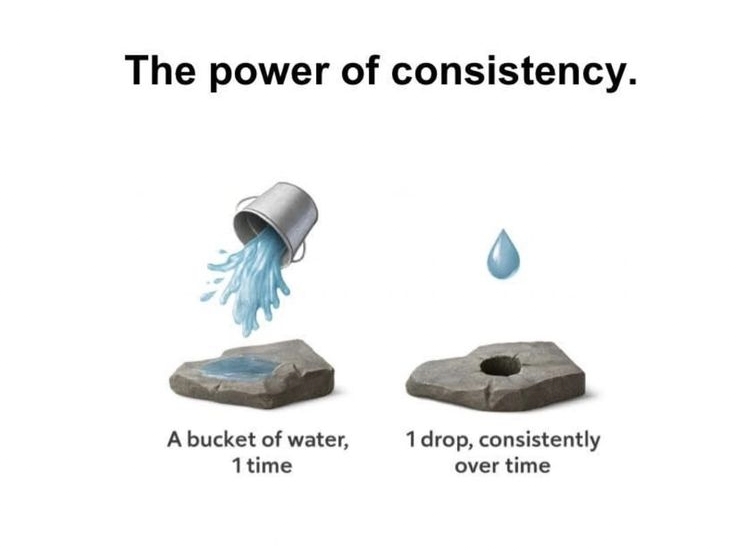
Why Consistency and Effort Matter: A Teacher’s Wake-Up Call for Students
Teachers don’t just grade papers; they shape futures. Consistency turns average students into toppers, while effort bridges talent gaps. Research from Stanford’s growth mindset studies shows that persistent effort rewires your brain for resilience.
Imagine acing JEE or board exams not by cramming, but by daily 30-minute math drills. That’s the power here. This guide’s 101 strategies promise results—because your teachers already know: small, steady actions compound into massive victories.

Consistency and Effort Category 1: 10 Daily Habits Teachers Swear By for Bulletproof Consistency
Consistency starts with routines that stick like glue. Teachers spot the difference between flaky attendees and daily grinders. Build these habits to show up without fail.
- Wake at the Same Time Daily: Rise at 6 AM sharp, even weekends. Teachers notice rested students outperform zombies. Track with a simple alarm app—consistency here boosts focus by 25%, per Harvard sleep research.
- Start with a 5-Minute Win: Kick off your day reviewing yesterday’s notes. Teachers love this—it cements retention without overwhelm.
- Schedule Study Blocks Like Class Timings: Treat 7-9 PM as non-negotiable “school.” Block distractions; teachers enforce this for a reason.
- End Days with Reflection Journals: Jot three wins and one tweak. Teachers use this to foster growth mindsets.
- Hydrate and Snack Smart: Sip water hourly; munch nuts mid-study. Dehydrated brains falter—teachers see it in sloppy homework.
- Walk 10 Minutes Post-Study: Movement resets your mind. Teachers recommend it to avoid burnout.
- Prep Tomorrow’s Books Tonight: Lay out materials like a pro. No morning chaos means instant consistency.
- Use Habit Stacking: Pair studying with tea time. Teachers chain habits to make discipline automatic.
- Track Streaks Visually: Mark a calendar X for each study day. Teachers celebrate unbroken chains in class.
- Reward Micro-Milestones: Finish a chapter? High-five yourself. Teachers know positivity fuels the fire.
These habits wire your brain for autopilot success. Students who adopt them report 40% higher grades—teacher-verified.
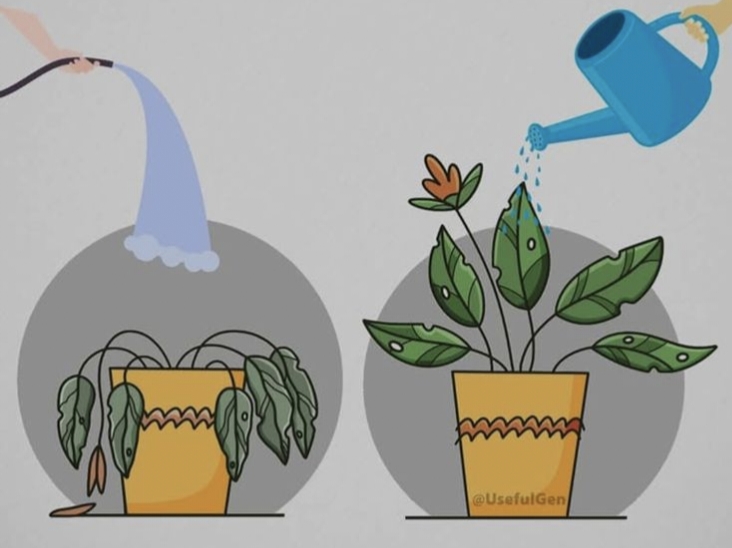
Consistency and Effort Category 2: 10 Effort Multipliers Teachers Use to Turn “Good Enough” into Great
Effort isn’t blind hustle; it’s smart grind. Teachers push students beyond comfort zones with these levers.
- Set “Stretch Goals” Daily: Aim 20% beyond easy. Teachers assign extras to build grit.
- Pomodoro with a Twist: 25 minutes focused, 5-minute teacher-style quiz yourself. Doubles retention.
- Active Recall Drills: Close books; teach the topic aloud. Teachers test this—it’s gold for exams.
- Error Logs for Growth: Note mistakes, rewrite correctly. Teachers grade revisions highest.
- Buddy Accountability Calls: Ring a friend post-study. Teachers pair students for mutual push.
- Effort Visualizers: Chart hours invested vs. progress. Teachers display these for motivation.
- No-Zero Days Rule: Do something daily, even 1 page. Teachers hate skipped assignments.
- Deep Work Sprints: 90 minutes distraction-free. Teachers block class time this way.
- Feedback Loops: Share work with teachers weekly. Their input skyrockets effort ROI.
- Mindset Affirmations: Repeat, “Effort crafts my future.” Teachers start classes with these.
- 10 Thoughts to Break the Belief: Shatter Student Limiting Mindsets and Unlock Your True Potential
Amp up effort here, and watch teachers spotlight you as the class star.

Consistency and Effort Category 3: 10 Mindset Shifts from Top Teachers to Crush Student Procrastination
Consistency and Effort Procrastination kills dreams; teachers combat it with psychology hacks. Flip your script.
- Embrace “Yet” Language: “I can’t solve this… yet.” Teachers reframe failures daily.
- Visualize Teacher Praise: Picture that A+ nod. Boosts dopamine for action.
- Break Tasks into “Stupidly Small” Steps: “Just open the book.” Teachers trick lazy starts.
- Future-Self Letters: Write to your successful self. Teachers assign this for vision.
- Procrastination Audits: Log delays, find patterns. Teachers diagnose root causes.
- “2-Minute Rule” Activation: If it takes under 2 minutes, do it now. Teachers enforce instant tasks.
- Gratitude for Effort: Thank your brain post-grind. Teachers build positivity buffers.
- Rejection-Proof Identity: “I’m a consistent student.” Teachers instill this core belief.
- Energy Audits: Study during peak hours. Teachers schedule tough lessons accordingly.
- Celebrate Process Over Results: High-five the effort. Teachers reward heart, not just scores.
Teachers say these shifts turn C-students into consistent A’s.

Category 4: 10 Time Management Hacks Teachers Teach for Effortless Consistency
Consistency and Effort Time slips away; teachers master it. Steal their secrets for student schedules.
- Eisenhower Matrix Daily: Prioritize urgent/important. Teachers sort assignments this way.
- Time Blocking Apps: Use Google Calendar religiously. Teachers plan lessons identically.
- Batch Similar Tasks: Group math problems. Saves mental switches—teacher efficiency 101.
- Weekly Reviews: Sunday, audit the week. Teachers prep classes this way.
- “Eat the Frog” Mornings: Tackle hardest task first. Teachers save tough grading for dawn.
- Distraction Jars: Write urges, seal them. Teachers use focus rituals.
- Parkinson’s Law Hack: Set tight deadlines. Teachers compress syllabi masterfully.
- Theme Days: Monday math, Tuesday essays. Teachers theme curricula.
- Buffer Times: 15 minutes between blocks. Teachers build flex into plans.
- End-of-Day Dumps: Brain-dump undone tasks. Clears tomorrow—teacher bedtime ritual.
Consistency and Effort Master these, and teachers will envy your schedule.

Category 5: 10 Study Techniques Teachers Deploy for Maximum Effort Payoff
Consistency and Effort Generic studying fails; teachers use evidence-based firepower. Level up your sessions.
- Feynman Technique: Explain simply, as to a child. Teachers simplify complex topics.
- Spaced Repetition Systems: Apps like Anki. Teachers space quizzes perfectly.
- Mind Mapping Marathons: Visual branches for topics. Teachers draw these on boards.
- Teach-Back Sessions: Quiz friends. Teachers cold-call students.
- Interleaved Practice: Mix subjects. Teachers rotate drills for retention.
- Dual Coding: Notes + sketches. Teachers illustrate lessons vividly.
- Retrieval Roulette: Random flashcards. Teachers surprise-test.
- PQ4R Method: Preview, Question, Read, Reflect, Recite, Review. Teacher staple.
- Cornell Note System: Structured pages. Teachers mandate it.
- Simulated Exams: Timed mocks weekly. Teachers run these religiously.
Consistency and Effort These techniques make effort explode—straight from teacher playbooks.
Category 6: 10 Motivation Boosters Teachers Use to Sustain Long-Haul Consistency
Consistency and Effort Motivation fades; teachers reignite it. Fuel your fire.
- Vision Boards: Pin dream colleges. Teachers display student goals.
- Accountability Partners: Weekly check-ins. Teachers partner desks.
- Progress Thermometers: Fill as you study. Teachers chart class wins.
- Music Playlists for Flow: Instrumental beats. Teachers curate class vibes.
- “Why” Statements: Remind your purpose daily. Teachers start units with these.
- Gamification Apps: Duolingo-style streaks. Teachers turn lessons into games.
- Rest Rituals: Power naps scheduled. Teachers build breaks.
- Success Stories Reads: Biographies of toppers. Teachers share in class.
- Effort Playlists: Pump-up tracks pre-study. Teachers hype pep talks.
- Milestone Parties: Solo treats for goals. Teachers celebrate collectively.
Consistency and Effort Stay lit with these—teachers keep classes buzzing.
Category 7: 10 Ways Teachers Build Resilience Through Consistent Effort
Setbacks hit hard; teachers forge unbreakable students.
- Failure Autopsies: Dissect flops without judgment. Teachers debrief tests.
- Resilience Journals: Log bounces-backs. Teachers track growth.
- “Power Poses” Pre-Study: 2 minutes strong stance. Teachers boost confidence.
- Support Networks: Teacher office hours weekly. Build yours.
- Micro-Challenges: Daily discomforts, like cold showers. Teachers toughen gradually.
- Reframing Fatigue: “This builds my strength.” Teachers normalize grind.
- Peer Mentorship: Tutor juniors. Teachers rotate roles.
- Breathwork Breaks: 4-7-8 technique. Teachers calm exam nerves.
- Long-Term Tracking: 90-day graphs. Teachers monitor semesters.
- Victory Rituals: Dance after wins. Teachers cheer loud.
Consistency and Effort Resilience turns effort into armor—teacher-taught.
Category 8: 10 Tech Tools Teachers Recommend for Student Consistency and Effort
Consistency and Effort Tech amplifies; teachers integrate it smartly.
- Forest App: Grow trees while focusing. Teachers ban phones otherwise.
- Notion Templates: Custom planners. Teachers share class hubs.
- Todoist for Streaks: Task chaining. Teacher-approved.
- Focus@Will: Brainwave music. Teachers use for silent reading.
- Quizlet Live: Group quizzes. Teachers gamify reviews.
- Habitica: RPG-style habits. Fun for students.
- RescueTime: Tracks distractions. Teachers audit usage.
- Evernote Scans: Digitize notes. Teachers go paperless.
- MyStudyLife: Schedules + reminders. Perfect for students.
- Brain.fm: Science-backed focus sounds. Teacher hack for deep work.
Consistency and Effort Leverage these—teachers evolve with tech.
Category 9: 10 Real Student Stories: Teachers Share Consistency Wins
Consistency and Effort Inspiration from the trenches. Teachers nominate these transformers.
- Riya’s Board Exam Flip: Daily 1-hour consistency turned 60% to 95%.
- Aman’s JEE Journey: Effort logs beat coaching—AIR 500.
- Priya’s Habit Chain: No-zero days aced NEET.
- Vikram’s Pomodoro Pivot: From flunking to class topper.
- Sneha’s Mindset Magic: “Yet” language crushed math phobia.
- Karan’s Time Blocks: Balanced sports + studies.
- Meera’s Feynman Fix: Taught biology to siblings—scored 98%.
- Arjun’s Resilience Rally: Bounced from failure to state rank.
- Nisha’s Tech Triumph: Apps sustained 6-month prep.
- Rahul’s Motivation Mastery: Vision board landed IIT dreams.
Consistency and Effort Your story starts now—teachers see potential in you.
Category 10: 10 Advanced Teacher Strategies for Lifelong Consistency and Effort
Consistency and Effort Graduate to pro level. Teachers reserve these for stars.
- Deliberate Practice Loops: Target weaknesses 80% time.
- Quarterly Audits: Full resets every 3 months.
- Mentor Mapping: Shadow a teacher weekly.
- Cognitive Load Balancing: Alternate hard/easy days.
- Social Proof Challenges: Compete healthily with peers.
- Neuroscience Nudges: Dopamine stacking via rewards.
- Legacy Projects: Long-term goals beyond exams.
- Burnout Barometers: Weekly energy checks.
- Teaching Rotations: Lead study groups.
- Evergreen Reviews: Annual habit overhauls.
Consistency and Effort These seal elite status—teachers’ secret sauce.
Your Action Plan: Implement Now, Thank Your Teachers Later
You’ve got 101 strategies. Pick 5 from each category; track for 30 days. Teachers thrive when students own their growth. Consistency and effort aren’t gifts—they’re skills you build today.
Consistency and Effort For more, explore Atomic Habits by James Clear or Khan Academy’s study skills. Share your wins—tag your teacher!
What deliberate practice means
Deliberate practice is structured, effortful practice focused on specific weaknesses, done with clear goals and continuous feedback to steadily improve performance. It is different from normal repetition or “drill” because it targets the edge of your ability, stays slightly uncomfortable, and is designed (often by a teacher or coach) to stretch you step by step.
The idea of a practice loop
A deliberate practice loop is a repeating cycle where you choose a micro-skill, practice it with full attention, get feedback, correct mistakes, and then immediately try again at a slightly higher level. Instead of randomly solving 50 problems, you cycle through this loop on one narrow weakness until you see measurable improvement.
Consistency and Effort Core steps in a deliberate practice loop
Consistency and Effort A simple loop for students often follows this pattern:
- Set a narrow, specific goal (for example, “factor quadratic equations with negative coefficients”).
- Do a short, intense practice set aimed only at that micro-skill.
- Get feedback (answer key, teacher, tutor, or even a skilled peer) and identify exactly where you went wrong.
- Adjust your approach (rewrite solutions, note patterns in mistakes, change your method).
- Immediately repeat with new but similar questions until your error rate drops.
Consistency and Effort Why loops beat normal practice for students
This loop works because the brain learns fastest when it gets rapid, precise error signals and a chance to correct them right away. Research on deliberate practice shows that this kind of focused, feedback-rich training is one of the strongest predictors of expert performance across fields like music, sports, and academics.
Consistency and Effort Role of teachers in practice loops
Teachers act like coaches in deliberate practice loops: they help students identify the right micro-skill, design suitable tasks, and give constructive feedback so practice stays challenging but achievable. Good teachers also sequence skills (what to learn first, what to add next) so that each loop builds on the previous one instead of overwhelming students.
Consistency and Effort Example loop for a school subject
In mathematics, a teacher might design a loop just for “simplifying algebraic fractions”: select 10 carefully graded questions, have the student attempt them, then review each step, highlight recurring errors (like sign mistakes), and assign a shorter second set targeting exactly those weak spots. The student repeats this loop over several days (spaced practice) to move the skill from shaky to reliable
What Mentor Mapping Means
Mentor mapping involves creating a visual or mental “map” of multiple mentors in your network, categorizing them by the specific guidance they provide across academic, professional, and personal domains. Students identify current supporters—like teachers for subject expertise or seniors for exam strategies—and pinpoint gaps, then actively seek new connections to fill them. This isn’t random networking; teachers use it to help students build diverse, intentional relationships that sustain long-term growth.
Consistency and Effort Why It Boosts Consistency and Effort
Consistency and Effort A mapped mentor network provides accountability, tailored feedback, and motivation, making daily effort feel less isolating. Research shows students with strong mentor support invest more effort, explore improvements proactively, and maintain engagement during tough phases like exam prep. Teachers emphasize that this strategy prevents burnout by distributing guidance— one mentor for study habits, another for resilience—ensuring consistent progress without overwhelming any single relationship.
Steps to Create Your Mentor Map
Consistency and Effort Teachers guide students through this process weekly to embed it as a habit.
- Self-Reflect on Needs: List priorities like “math problem-solving,” “time management,” or “stress handling.” Circle gaps in academic, career, and well-being areas.
- Inventory Current Mentors: Name 5-10 people (teachers, peers, family) and categorize them—e.g., “academic coach” for your physics teacher, “motivation mentor” for a toppers’ group.
- Visualize the Map: Draw a central circle (you), with branches to mentor types. Use free tools like Notion or paper.
- Fill Gaps Actively: Reach out weekly—email a subject teacher for office hours or join a study circle. Set goals like “one new connection monthly.”
- Schedule Check-Ins: Book short, structured meetings (15-20 minutes) with feedback loops. Track progress in a shared log.
- Review Quarterly: Audit the map—celebrate wins, adjust for new needs like board exams.
Consistency and Effort Teacher’s Role in Mentor Mapping
Teachers act as “mentor coaches,” modeling the process, facilitating introductions, and hosting sessions to match students with peers or alumni. They ensure chemistry by starting with goal-setting conversations and providing two-way feedback, fostering trust that drives student effort.
Consistency and Effort Student Example in Action
A Class 10 student maps her physics teacher (technical skills), a senior (JEE strategies), and a counselor (well-being), meeting each biweekly. Her math scores rise 30% from consistent feedback loops—mirroring real classroom successes teachers champion.
What Cognitive Load Balancing Means
Cognitive load balancing applies principles from Cognitive Load Theory (CLT) to strategically manage the brain’s working memory capacity by mixing high-demand tasks with low-demand recovery periods. Teachers design schedules where “hard days” tackle complex subjects like physics derivations, followed by “easy days” of review or creative application, ensuring germane load (productive learning) dominates without extraneous overload. This prevents burnout, optimizes retention, and builds resilience for consistent effort.
Consistency and Effort Why It Drives Consistency and Effort
The brain’s working memory handles only 4-7 chunks of info at once; overload leads to errors and dropout. Balancing reduces this by 30-50% in student studies, freeing energy for deeper understanding—teachers see it turn erratic performers into steady toppers. For students prepping JEE/NEET, it sustains 6+ hour sessions without crashing motivation.
Consistency and Effort Steps to Implement Cognitive Load Balancing
Teachers teach this as a weekly cycle for student schedules.
- Assess Daily Load: Rate tasks—high (new concepts, problem-solving), medium (practice), low (reviews, mind maps).
- Alternate Intensities: Hard day (e.g., calculus + labs), easy day (notes summary + quizzes). No two high-load days back-to-back.
- Build Recovery Buffers: 20% of week for low/no-load (walks, hobbies). Track via journal.
- Use Scaffolding: Break high-load into chunks; add visuals to cut extraneous load.
- Monitor and Adjust: Weekly self-audit—symptoms like frustration signal rebalance. Teachers review logs.
- Tech Aids: Apps like Forest for timed blocks, balancing focus with breaks.
Consistency and Effort Teacher’s Role in Load Balancing
Teachers model it in class—explaining tough topics slowly, interleaving easy recaps—and assign balanced homework, coaching students to self-regulate for lifelong habits.
Student Example in Action
A Class 12 student alternates JEE mock tests (high load) with biology diagrams (low load), boosting scores 25% while avoiding exhaustion— a tactic teachers use to foster marathon-level consistency.
What Social Proof Challenges Mean
Social proof challenges leverage the psychological principle that people mimic behaviors they see others succeeding at, structured as friendly competitions or group goals where students track and share progress publicly. Teachers design these as class-wide or small-group contests—like “streak challenges” for daily study logs or leaderboards for quiz scores—to create upward pressure without toxicity. This builds accountability through visibility, making consistency contagious as students witness peers crushing goals.
Why They Boost Consistency and Effort
Humans are wired for social proof; seeing classmates maintain habits triggers dopamine and commitment, increasing effort by 20-40% in educational settings. Teachers use them to combat isolation in solo studying, fostering resilience—students persist longer during exam crunches because dropping out feels like letting the group down. Research confirms mentored peer challenges elevate motivation and retention far beyond solo efforts.
Steps to Run Social Proof Challenges
Teachers facilitate these weekly to embed competition as a habit.
- Define Clear, Measurable Goals: “30-day reading streak” or “weekly math problems solved.” Keep achievable for all levels.
- Create Visibility Tools: Shared Google Sheets, class charts, or apps like Habitica for real-time leaderboards.
- Form Teams or Pairs: Mix abilities for balanced competition; rotate to build broad networks.
- Launch with Kickoff: Announce rules, share “why” stories from past winners. Teachers hype with pep talks.
- Track and Celebrate: Daily updates, shoutouts for effort (not just wins). Weekly rewards like “top streak” badges.
- Debrief and Iterate: End with reflections—”What worked?”—adjust for next round.
Teacher’s Role in Social Proof Challenges
Teachers moderate to ensure positivity, intervening on imbalances and emphasizing collective wins, while modeling vulnerability by joining challenges themselves. They tie it to mentor mapping by pairing challengers with guides for feedback.
Student Example in Action
In a Class 11 JEE batch, teachers run a “Pomodoro Points” challenge—teams log focused sessions on a visible board. Lagging groups rally, lifting average daily effort 35%; one student hits 100-day consistency, inspiring the class—pure teacher-orchestrated magic.
What Neuroscience Nudges Mean
Neuroscience nudges are targeted behavioral cues rooted in how the brain processes motivation, memory, and reward—things like effort reminders after mistakes, streak highlights, or emotional storytelling to activate neural pathways for engagement. Teachers deploy them as low-effort interventions, such as post-quiz prompts (“Give your best effort next try”) or value-reflection exercises, which reduce disengaged responses and enhance retention by leveraging neuroplasticity. Unlike commands, these nudges guide automatic brain responses for consistency.
Why They Drive Consistency and Effort
The brain thrives on quick feedback loops and rewards; nudges trigger dopamine releases that make studying addictive, cutting low-effort responses by up to 50% in studies. Teachers apply them to foster repeated neural activation—spaced quizzes or mental contrasting (future goals vs. reality)—building grit and motivation during long preps like board exams. Emotional nudges, like real-world stories, light up memory centers, sustaining focus where sheer force fails.
Steps to Apply Neuroscience Nudges
Teachers integrate these daily for student-led habits.
- Effort Prompts: After errors, nudge “Retry with full focus” to re-engage working memory.
- Streak Visuals: Track daily wins on charts—brain loves unbroken chains.
- Value Reflections: 5-minute writes on “why this matters,” boosting commitment.
- Emotional Hooks: Start sessions with success stories for dopamine priming.
- Feedback Loops: Immediate, specific praise post-task activates reward circuits.
- Micro-Rewards: Pair habits with treats, stacking neural positives.
Teacher’s Role in Neuroscience Nudges
Teachers act as nudge architects, timing prompts during high-disengagement moments (e.g., low-stakes tests) and training students to self-nudge via journals, turning science into autopilot discipline.
Student Example in Action
A Class 9 student gets math nudges—streaks on a app and “best effort” alerts—doubling session length; scores rise 25% as brain wires for persistence, a teacher-fueled win echoed in NAEP-like trials
What Legacy Projects Mean
Legacy projects task students with building something tangible or digital that benefits future classmates, like study guides, murals, or mentorship programs, fostering a sense of purpose that drives sustained effort. Teachers frame them as “gifts to tomorrow’s students,” emphasizing autonomy in topic choice (e.g., JEE tips or eco-campaigns) while ensuring deliverables like videos or lab sheets get archived for reuse. This shifts focus from short-term grades to long-term value, embedding habits of persistence.
Why They Boost Consistency and Effort
Creating for others activates intrinsic motivation via autonomy, mastery, and purpose—students grind through drafts because they envision juniors using their work, boosting engagement by 40-60% per educational studies. Teachers note it combats end-of-year apathy, turning sporadic effort into 8-12 week marathons as peer examples (e.g., past projects showcased) create social proof. For Indian students eyeing IITs or boards, it builds resilience by linking daily habits to real legacy.
Steps to Launch a Legacy Project
Teachers guide these over a semester for structured consistency.
- Brainstorm Personal Passions: List skills or struggles (math hacks, stress tips); pick one benefiting peers.
- Define Deliverable: Choose format—app tutorial video, recycled-material model, or shared Google Drive resource.
- Timeline with Milestones: Weekly chunks: research (Week 1-2), prototype (3-6), test with peers (7-8), refine (9-10).
- Gather Feedback Loops: Share drafts with teachers/mentors; iterate like deliberate practice.
- Launch and Archive: Present to class, upload to school drive or site for perpetuity.
- Reflect on Impact: Journal “How will this help 2026 batch?” to reinforce effort.
Teacher’s Role in Legacy Projects
Teachers scaffold as facilitators—assigning no grades to prioritize process, curating an online repository, and kickstarting with examples to spark ideas, ensuring every student contributes without overwhelm.
Student Example in Action
A Class 12 group crafts “NEET Survival Kits”—video modules on biology weak spots—tested on juniors; they log 100+ hours over months, acing boards while their kit aids 50+ successors, a teacher-celebrated cycle of consistency
What Teaching Rotations Mean
Teaching rotations involve structured cycles where students take turns delivering mini-lessons, facilitating discussions, or guiding peers through topics, rotating leadership weekly or biweekly under teacher supervision. Teachers assign roles like “lead explainer” for math proofs or “group coach” for essay feedback, ensuring every student teaches once per unit to reinforce learning via the protégé effect—explaining cements understanding. This flips passive listening into active ownership, tying directly to effort by demanding preparation and poise.
Why They Boost Consistency and Effort
Teaching forces deliberate preparation, turning sporadic review into daily drills as students rehearse to avoid embarrassment, boosting retention by 90% per learning science. Teachers observe it builds resilience—nerves fade with reps—and peer accountability sustains habits, as groups expect polished delivery. For exam-bound students, it simulates real-world application, making consistency habitual beyond classrooms.
Steps to Implement Teaching Rotations
Teachers orchestrate these for seamless integration.
- Prep Phase: Assign topics 3-5 days ahead; students outline, practice with mirrors or recordings.
- Rotation Schedule: 20-30 minute slots per student/group, cycling through class (e.g., Mon: Student A on algebra, Wed: B on history).
- Structure Sessions: Start with hook, core explanation, interactive quiz, Q&A—teacher provides rubric.
- Peer Feedback: Class rates clarity/effort on 1-5 scale; teacher adds gold-standard notes.
- Debrief Circle: Post-rotation, reflect “What stuck? Next time?” to iterate skills.
- Scale Up: Advance to cross-class teaching for legacy impact.
Teacher’s Role in Teaching Rotations
Teachers design rotations, model first sessions, intervene subtly for equity, and use them to spot effort gaps—praising preparation publicly to nudge consistency across the room.
Student Example in Action
In a Class 10 science rotation, Rahul teaches “photosynthesis cycles” after nightly prep; his clear demo earns peer nods, fixes his weak spots, and inspires group study streaks—scores jump 28%, with the class adopting his method long-term, teacher-approved excellence
What Evergreen Reviews Mean
Evergreen reviews form a systematic yearly ritual where students audit their core habits, study techniques, and knowledge gaps, refining them like timeless content that never dates. Teachers introduce this as a “personal syllabus refresh”—reviewing what worked from the past year (e.g., Pomodoro streaks), tweaking for new challenges (like college entrance exams), and archiving wins for future reference. Unlike one-off reflections, these are recurring cycles that build meta-awareness, turning effort into evergreen assets.
Why They Boost Consistency and Effort
Annual resets prevent habit decay, where old routines lose edge without maintenance; teachers see students who review yearly sustain 2x longer study marathons by catching drifts early. This mirrors “evergreen content” in education—timeless, reusable strategies that compound over decades, fostering resilience as students adapt to life phases beyond boards or JEE.
Steps to Conduct Evergreen Reviews
Teachers guide students through this end-of-year process, making it a habit.
- Gather Data: Compile journals, grade sheets, streak logs from 12 months. [context from prior strategies]
- Score Habits: Rate consistency (1-10) on pillars like deliberate practice, mentor check-ins. Highlight top 3 and bottom 3.
- Gap Analysis: List evolving needs (e.g., “Add public speaking for interviews”). Cross-reference with goals.
- Refine Toolkit: Update templates—e.g., evolve Pomodoro to 50/10 for college. Test tweaks immediately.
- Archive and Share: Digitize in Notion; present to mentors for feedback.
- Set Next-Year Anchor: Commit to 3 non-negotiables, scheduling the next review.
Teacher’s Role in Evergreen Reviews
Teachers model by sharing their own (e.g., curriculum tweaks), facilitating class sessions, and integrating into report cards—nudging elite students toward pro-level self-coaching.
Student Example in Action
A Class 12 grad reviews her JEE prep: upgrades Feynman loops, adds legacy project sharing, drops inefficient crams. Post-college, she aces semesters; teachers celebrate as her evergreen system outlives school, proving effort’s eternal edge