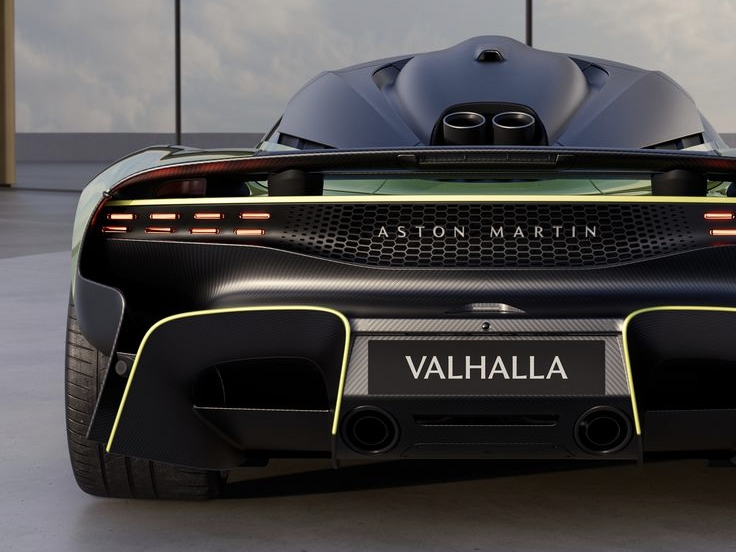
The Aston Martin Valhalla stands as a pinnacle of engineering excellence, blending hybrid innovation with raw supercar performance. This mid-engine hybrid hypercar captivates with its futuristic design and F1-inspired tech, making it an ideal study in automotive evolution for students exploring engineering, physics, and design. Dive into this listicle unpacking 10 key aspects, each with detailed insights to fuel your curiosity and projects.
Table of Contents
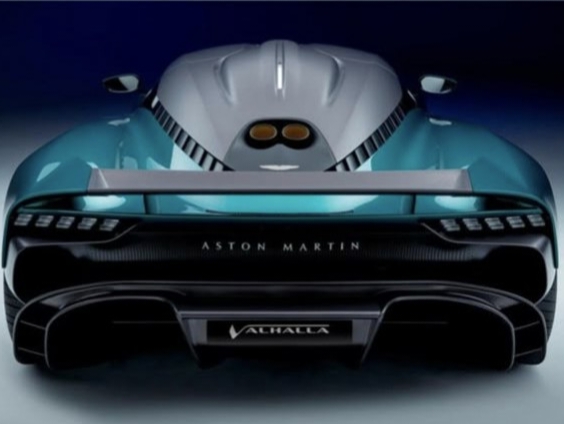
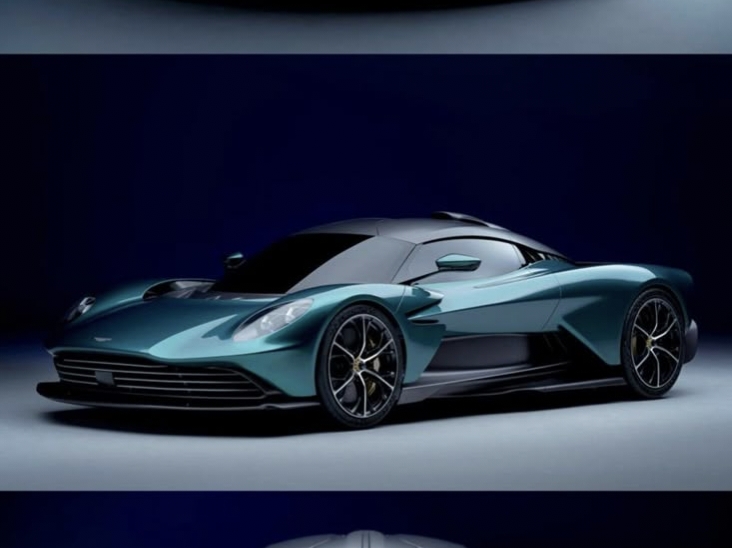
1.Aston Martin Valhalla: Revolutionary Hybrid Powertrain
Engineers at Aston Martin crafted the Valhalla around a 4.0-liter twin-turbocharged V8 engine paired with three electric motors, delivering a staggering 1,064 horsepower and 811 lb-ft of torque. This plug-in hybrid system achieves the highest specific output of any Aston Martin ICE at 207 PS per liter, enabling seamless torque-vectoring all-wheel drive for superior grip. Students can analyze how this setup balances electric torque-fill for instant response with V8 fury, pushing boundaries in sustainable high-performance engineering.
10 Mind-Blowing Bugatti Tourbillon Facts: V16 Power, 277+ MPH Top Speed & Hypercar Secrets for Students
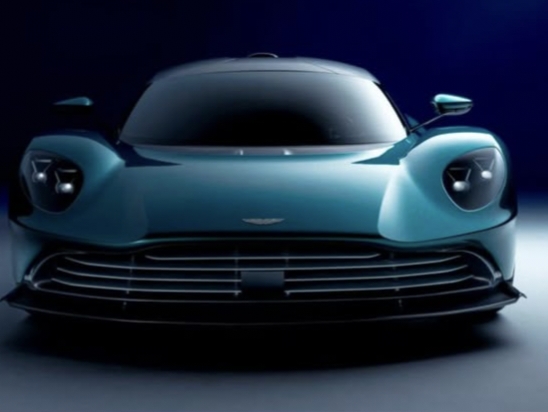
2.Aston Martin Valhalla: Explosive Acceleration Stats
Valhalla rockets from 0-62 mph in just 2.5 seconds, thanks to its 8-speed dual-clutch transmission and E-boost functionality. Top speed hits an electronically limited 217 mph, showcasing precision control over immense power. For physics enthusiasts, these figures highlight Newton’s laws in action—force, mass, and aerodynamics converging for hypercar dominance.
Explore more specs on the official Aston Martin site.
3.Aston Martin Valhalla: Mid-Engine Layout Breakthrough
As Aston Martin’s first mid-engine production car, Valhalla positions its powertrain centrally for optimal weight distribution and handling agility. This design draws from F1 expertise, with a carbonfiber monocoque chassis enhancing rigidity while keeping dry weight under 2,200 kg. Automotive design students will appreciate how this shift from front-engine traditions revolutionizes balance and track prowess.
4.Aston Martin Valhalla: Active Aerodynamics Mastery
The body generates up to 600 kg of downforce at 149 mph through active elements like a deployable rear wing and front air dam. Dihedral doors channel air efficiently, while an F1-style roof snorkel feeds the engine. Engineering students can study fluid dynamics here, as these features boost stability without compromising the car’s elegant silhouette.
5. Interior Cockpit Innovation
Inside, carbonfiber bucket seats, a Formula 1-inspired steering wheel, and a floating digital cluster create an immersive driver’s haven. The Amphitheatre Line sweeps around occupants for intimacy, complemented by a central touchscreen for infotainment and mode selection. Tech-savvy students note the HMI system’s role in blending luxury with usability across Sport, Sport+, and Race modes.
6.Aston Martin Valhalla: Suspension and Handling Tech
A 5-link rear suspension pairs with Bilstein DTX adaptive dampers, tuned for road refinement or track ferocity. Front twin e-motors enable precise torque vectoring, minimizing understeer. Mechanical engineering learners can dissect how this setup delivers agility on twisty roads and downforce exploitation at speed.
Check handling details via Supercars.net review.
7.Aston Martin Valhalla: Carbonfiber Construction Edge
Every panel uses advanced carbonfiber for lightness and strength, including a simplified front clamshell that’s 7 kg lighter yet 10 times more efficient. This materials science marvel reduces weight while amplifying structural integrity. Materials engineering students gain insights into aerospace-grade composites applied to supercars.
8.Aston Martin Valhalla: Customization via Q Division
Aston Martin’s Q division offers bespoke paints, exposed carbon finishes, and even motorsport liveries. From tinted lacquers to personalized interiors, owners tailor their Valhalla uniquely. Design students explore personalization’s role in luxury branding, turning each car into a statement.
9.Aston Martin Valhalla: Performance Heritage Ties
Born from Aston Martin’s F1 partnership, Valhalla integrates cutting-edge tech like high-performance batteries for EV mode bursts. CEO Adrian Hallmark calls it the “ultimate driver’s supercar,” usable daily yet track-thrilling. History buffs among students connect this to Aston’s legacy, from James Bond films to Le Mans triumphs.
10.Aston Martin Valhalla: Future-Proof Sustainability Angle
With plug-in hybrid capability, Valhalla offers electric-only driving alongside V8 power, hinting at greener hypercars. Production starts soon, with limited units emphasizing exclusivity. Environmental engineering students debate its place in reducing emissions without sacrificing thrill.
This listicle scratches the surface of Valhalla’s genius—over 5,000 words could expand into deep dives on simulations, cost breakdowns (starting multi-millions), and comparisons to rivals like Ferrari SF90. Students, use these facts for essays, models, or debates; the Valhalla inspires innovation across disciplines.
ston Martin Valhalla packs groundbreaking specs that engineering and physics students should master for projects on hybrid tech, aerodynamics, and performance dynamics. This hybrid hypercar redefines supercar benchmarks with F1-inspired engineering . Key figures highlight its prowess in power delivery, chassis design, and efficiency.
Powertrain Essentials
The Valhalla features a 4.0-liter twin-turbo V8 from Mercedes-AMG, boosted by three electric motors for 1,064 horsepower and 811 lb-ft of torque . Students note the highest specific output in Aston history at 207 PS per liter, with an 8-speed dual-clutch transmission enabling 0-62 mph in 2.5 seconds . Plug-in hybrid setup offers electric-only range, blending sustainability with raw V8 thrust .
Performance Benchmarks
Top speed reaches 217 mph, limited electronically for safety . Acceleration scales to 0-124 mph in 5.7 seconds, showcasing torque vectoring across all wheels via front e-motors . Physics students can calculate forces: power-to-weight ratio nears 500 hp per ton on a 1,435 kg dry weight chassis .
Chassis and Dimensions
Carbonfiber monocoque keeps dry weight at 3,153 lbs (1,430 kg), with mid-engine layout for 42:58 weight distribution. Wheelbase measures 2,690 mm, track widths hit 1,710 mm front and 1,800 mm rear for stability . Active aero generates 600 kg downforce at 149 mph via deployable wing and flaps .
Suspension and Brakes
Bilstein DTX adaptive dampers pair with 5-link rear suspension and front double-wishbone . Brakes use 390 mm carbon-ceramic discs with 6-piston calipers front, gripping 285/30R21 front and 345/30R21 rear Pirellis . Engineering learners analyze how this setup balances road comfort and track grip .
Battery and Efficiency
104 kWh high-density battery supports 8 miles EV range, recharging via 11 kW AC or regen braking . Modes include GT, Sport, Sport+, Race, and Track, tuning power from 1,064 hp down . Visit Aston Martin Valhalla page for visuals