
Discover 10 insane Bugatti Tourbillon facts: 1,800 HP V16 hybrid engine, <2-sec 0-60, €3.8M exclusivity & watch-inspired design. Perfect for engineering students chasing hypercar dreams! Specs, comparisons & links inside.
Table of Contents
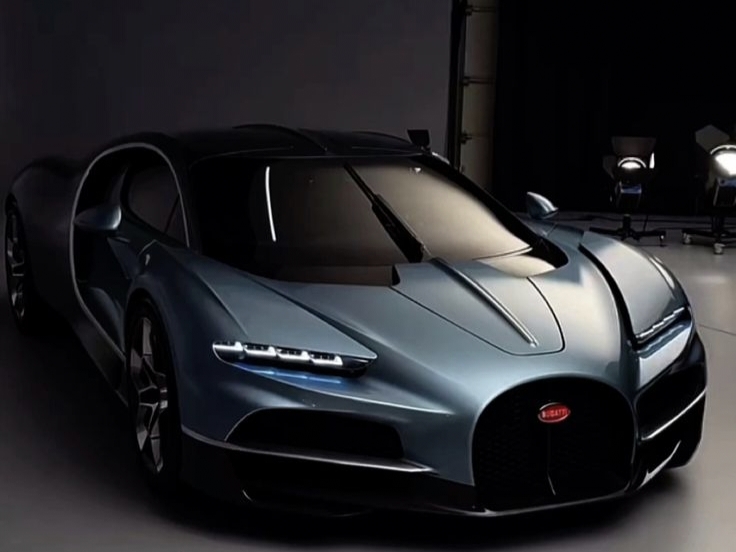
Bugatti Tourbillon Fact 1: The Monster V16 Hybrid Engine – 1,800 HP of Pure Fury
Engineers at Bugatti and Cosworth crafted an 8.3-liter naturally aspirated V16 engine, the first in a production hypercar since the 1990s, paired with three electric motors for a combined 1,775-1,800 horsepower. This setup delivers 664 lb-ft (900 Nm) from the V16 alone, plus instant electric torque, enabling all-wheel drive and full torque vectoring. Students, note how the 24.8 kWh battery integrates into the chassis for optimal weight distribution, achieving 0-60 mph in under 2 seconds and a top speed exceeding 277 mph (445 km/h with Speed Key).
- Power Breakdown: V16: 1,000 hp; Electric motors: 775-800 hp; Total torque: Up to 1,696 lb-ft (2,300 Nm).
- Why It Matters for Students: Study this as a hybrid benchmark—compare to Chiron’s W16 (1,600 hp) for efficiency gains.
- External Link: Bugatti Official Engine Specs
- 10 Mind-Blowing Facts About the Bugatti Divo That Every Student Engineer Dreams Of
Imagine the symphony of that V16 revving to 9,000 rpm—it’s not just power; it’s a mechanical orchestra designed for eternity
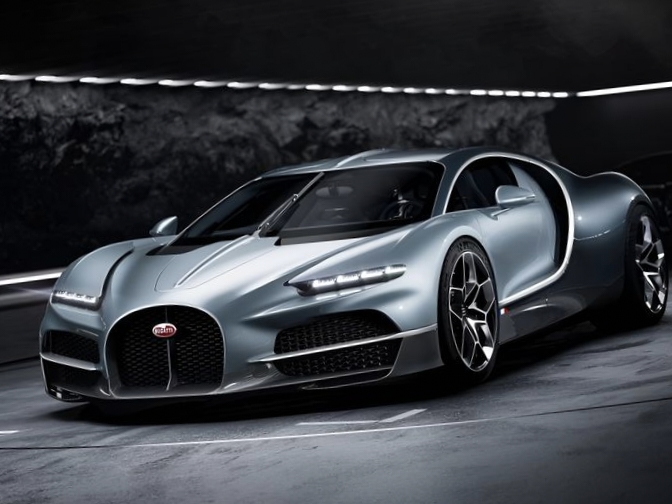
Bugatti Tourbillon Fact 2: Featherweight Carbon Wonderland – Under 4,400 lbs
Weighing just 4,400 lbs (1,995-1,950 kg), the Tourbillon uses advanced carbon fiber monocoque and 3D-printed titanium parts, shedding 150 lbs over the Chiron. This lightweight ethos stems from AI-optimized suspension components, enhancing agility without sacrificing rigidity. For engineering students, analyze how the multi-material chassis (carbon, titanium, aluminum) achieves a power-to-weight ratio of 936 hp per ton.
- Key Materials: Exposed carbon bodywork, titanium exhaust, and magnesium wheels.
- Performance Impact: Quicker acceleration and better handling on tracks like Nürburgring.
- External Link: Carbon Fiber in Hypercars Explained
This isn’t bulk—it’s precision engineering that turns physics into poetry.
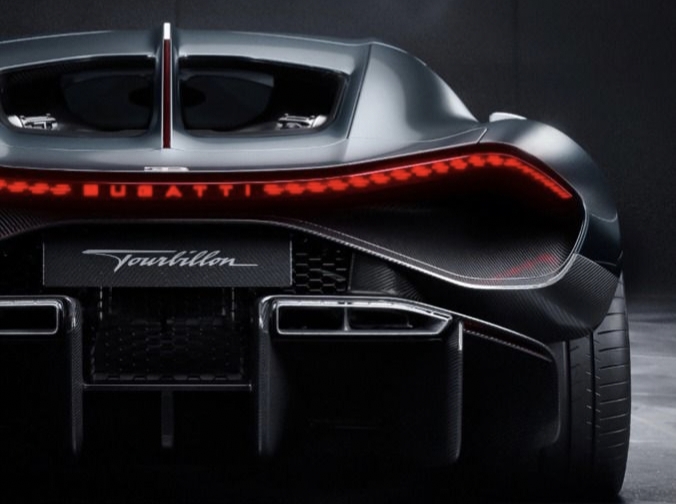
Bugatti Tourbillon Fact 3: Aerodynamics Masterclass – Horseshoe Grille Evolves
The iconic horseshoe grille channels air like a modern Type 57SC Atlantic, with active aero flaps and a massive rear wing generating extreme downforce. Wind tunnel testing refined every curve for 380+ km/h stability, including NACA ducts for cooling the V16 behemoth. Students, calculate drag coefficients here: Cd around 0.28, optimized for both speed and cooling.
- Aero Features: Retractable spoilers, diffusers, and LED light bars integrated seamlessly.
- Student Tip: Model this in CAD software to simulate airflow.
- External Link: Bugatti Design Philosophy
Airflow isn’t random; it’s sculpted for dominance.
Bugatti Tourbillon Fact 4: Watchmaker’s Cockpit – Analog Luxury Meets Tech
Forget screens—Swiss watchmakers crafted an analog dashboard with three titanium gauges, ruby bearings, and a tourbillon-inspired layout (named after the whirlwind watch complication). Leather, crystal, and machined metals create a tactile haven, rejecting driver aids for pure connection. Aspiring designers, this emphasizes human-centric interfaces in an EV era.
- Instruments: Tachometer, speedometer, power meters—all mechanical.
- Customization: 20+ leather colors, jewel-like details.
- External Link: Tourbillon Watch Inspiration
Timepieces in a time machine—timeless elegance.
Bugatti Tourbillon Fact 5: Speed Demon Stats – 0-100 km/h in 2 Seconds Flat
Blasting 0-100 km/h (62 mph) in 2.0 seconds, 0-200 km/h in 5.0, and topping 445 km/h, the Tourbillon crushes benchmarks on Michelin Pilot Sport Cup 2 tires. The 8-speed dual-clutch gearbox shifts lightning-fast, with electric motors filling any gaps. Engineering students, compute acceleration: a= v²/2s for real-world physics homework.
| Performance Metric | Tourbillon | Chiron Super Sport |
|---|---|---|
| 0-60 mph | <2 sec | 2.4 sec |
| Top Speed | 277+ mph | 304 mph |
| Power | 1,800 hp | 1,600 hp |
- Track Potential: AWD grip for laps under 7 minutes at Nürburgring.
- External Link: Full Speed Tests
Numbers that rewrite textbooks.
Bugatti TourbillonFact 6: Exclusivity Alert – 250 Units at €3.8 Million Each
Limited to 250 cars, starting at €3.8 million ($4+ million), every Tourbillon sells out pre-production. Deliveries begin 2026 from Molsheim, France—Bugatti’s heritage home. For business students, this scarcity model boosts resale to $10M+.
- Buyers: Collectors, celebs—waiting list years long.
- Student Insight: Economics of luxury—supply vs. demand.
- External Link: Pricing Details
Own a legend, or study its market magic.
Bugatti Tourbillon Fact 7: Electric Edge – 37+ Mile Range Without Gas
Three motors provide over 60 km (37 miles) all-electric range, with regenerative braking recharging on the fly. No self-driving nonsense—just silent launches to 150 mph on battery. Sustainability students, this hybrid cuts emissions while dominating.
- Battery Placement: Central tunnel for balance.
- Drive Modes: Pure EV, Hybrid, Performance.
- External Link: Hybrid Tech Deep Dive
Green power, redline fury.
Bugatti Tourbillon Fact 8: Heritage Reborn – From Type 35 to Tourbillon
Inspired by Ettore Bugatti’s Type 35 and 57SC, the Tourbillon blends quad-LED eyes, dual-tone paint, and Art Deco lines. Bugatti’s “New Era” documentary series details this evolution. History buffs, trace 110+ years of innovation.
- Nods: C-line fender curve, enamel badges.
- Evolution: Post-Chiron icon.
- External Link: Bugatti Heritage
Past propels the future.
Bugatti Tourbillon Fact 9: Suspension and Brakes – AI-Printed Precision
AI-designed 3D-printed arms and eight-piston carbon-ceramic brakes (500mm front) handle 2g cornering. Multimatic dampers adapt in milliseconds. Mech eng students, simulate stress tests here.
- Braking: 100-0 km/h in 30 meters.
- Wheels: 20-inch front, 21-inch rear.
- External Link: Chassis Tech
Control at chaos speeds.
Bugatti Tourbillon Fact 10: The Ultimate Student Project – Dimensions and Legacy
Measuring 4,671 mm long, 2,051 mm wide, 1,189 mm high (wheelbase 2,740 mm), it’s a compact beast. As the Chiron successor, it honors “nothing is too beautiful.” Download CAD files or sims for projects.
Full Specs Table:
| Dimension | Metric |
|---|---|
| Length | 4,671 mm |
| Width | 2,051 mm |
| Height | 1,189 mm |
| Weight | 1,995 kg |
- Legacy: Redefines hypercars forever.
- External Link: Complete Overview