
Connection Between Mind and Gut:Unlock the science behind the mind and gut connection with these 10 essential facts. This detailed guide explores how your brain and digestive system communicate, affecting mood, health, and learning.
Table of Contents
Introduction
Connection Between Mind and Gut:When most people think about health, they often separate the brain from the digestive system. However, science has revealed a profound connection between the mind and gut that impacts everything from mood to immunity. For students, understanding this link offers insights into improving focus, reducing stress, and maintaining overall well-being.
This article unpacks the fascinating mind-gut relationship, providing 10 key facts supported by scientific research. Each section is designed to be educational, accessible, and practical for students eager to harness this knowledge for academic and personal growth.
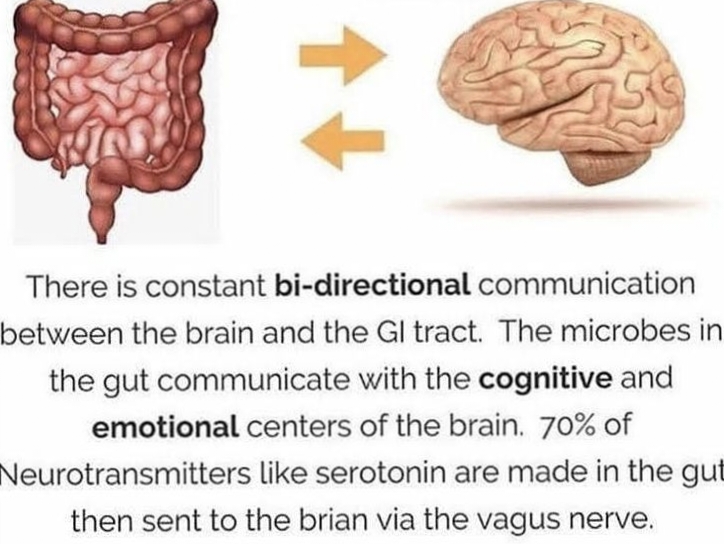
1. The Gut-Brain Axis: A Two-Way Communication Superhighway
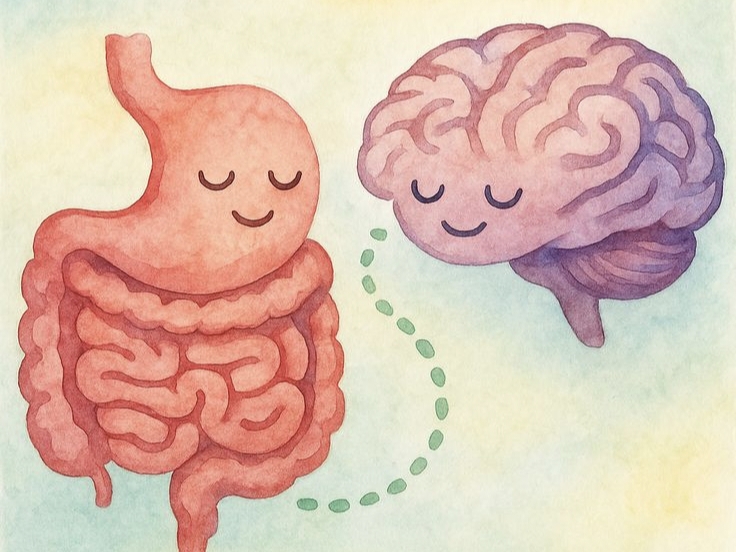
Connection Between Mind and Gut:The term “gut-brain axis” refers to the complex communication network linking the central nervous system (brain and spinal cord) with the enteric nervous system (the gut’s own nervous system). This two-way system uses neural, hormonal, and immune signals to maintain balance.
- The vagus nerve acts as the primary messenger between the gut and brain.
- Messages sent affect digestion, mood, and even cognitive function.
- This communication explains why stress can upset your stomach and why your gut can influence emotions.
External resource: Learn more about the gut-brain axis at the NIH National Institute of Diabetes and Digestive and Kidney Diseases
Connection Between Mind and Gut:Everyday Example: Stress and Stomach Butterflies
During high-pressure situations like exams, the brain releases stress hormones via the hypothalamic-pituitary-adrenal (HPA) axis, signaling the gut to slow digestion. This creates “butterflies” or nausea as the enteric nervous system responds, increasing gut permeability and altering microbiota. Conversely, gut distress from poor diet sends inflammatory signals back to the brain, worsening anxiety.
- Brain-to-gut: Sympathetic nervous system activation diverts blood from the gut, halting normal peristalsis.
- Gut-to-brain: Vagus nerve relays discomfort, amplifying perceived stress.
- How to Expand Your Comfort Zone Effortlessly: 15 Actionable Steps for Students
Connection Between Mind and Gut:Neurotransmitter Production in the Gut
The gut produces 90-95% of serotonin, a key mood regulator, through microbiota like Lactobacillus species. Eating probiotic-rich yogurt enhances serotonin signaling to the brain, improving mood and focus for studying. Imbalanced gut flora reduces this output, leading to low mood that affects learning.
- Example: Fermented foods boost GABA (calming neurotransmitter) production, reducing test anxiety.
- Bidirectional flow: Brain demand for serotonin influences gut motility to absorb precursors like tryptophan.
Connection Between Mind and Gut:Dietary Impact on Mood and Cognition
Consuming fiber-rich meals feeds beneficial bacteria, producing short-chain fatty acids that cross the blood-brain barrier to reduce inflammation and sharpen memory. Students skipping breakfast face gut dysbiosis, impairing hippocampal function for recall. A balanced lunch reverses this, sending positive signals via the vagus nerve.
External resource: Dive deeper into neurotransmitter roles at Cleveland Clinic’s Gut-Brain Connection.
Connection Between Mind and Gut:Exercise and Microbial Diversity
Physical activity diversifies gut microbiota, increasing vagus nerve sensitivity for better brain-gut dialogue. A post-workout run elevates BDNF (brain growth factor) while gut microbes release anti-inflammatory metabolites. Students exercising regularly report clearer thinking as this axis strengthens.
- Gut signals exercise benefits: Metabolites like butyrate travel to the brain, enhancing neuroplasticity.
- Brain directs gut: Endorphins improve motility, preventing bloating.
Connection Between Mind and Gut:Sleep Disruption Cycle
Poor sleep shifts microbiota toward pro-inflammatory strains, prompting cytokine release that fogs the brain. The gut then signals fatigue via the vagus nerve, creating a vicious cycle. Students prioritizing 7-9 hours restore balance, with gut-produced melatonin aiding deeper rest.
External resource: Explore mechanisms at Nature’s Microbiota-Gut-Brain Review.
Connection Between Mind and Gut:Practical Student Applications
- Morning Routine: Start with oats and yogurt to prime serotonin production for lectures.
- Exam Prep: Deep breathing activates the parasympathetic vagus pathway, calming gut-brain stress loops.
- Track Symptoms: Journal gut feelings during study sessions to map personal axis responses.
2. Gut Microbiota: The Tiny Brain Within
Your gut hosts trillions of microorganisms known as the microbiota. These microbes influence brain function and behavior by producing neurotransmitters, such as serotonin and dopamine.
- Around 90% of the body’s serotonin is produced in the gut.
- Healthy microbiota balance improves mental clarity and emotional stability.
- Imbalance (dysbiosis) can contribute to anxiety, depression, and cognitive issues.
External resource: Read research highlights at Harvard Health Publishing
Connection Between Mind and Gut:Neurotransmitter Factories: Serotonin Production Example
Gut bacteria such as Lactobacillus and Bifidobacterium convert dietary tryptophan into serotonin, which travels via the bloodstream to stabilize mood. A student eating yogurt daily boosts these strains, elevating serotonin levels to reduce exam anxiety and improve focus during study sessions. Imbalanced microbiota from junk food lowers serotonin, mimicking depression symptoms that hinder learning.
- Brain impact: Serotonin precursors cross the blood-brain barrier, enhancing emotional resilience.
- Student scenario: Skipping fermented foods leads to “brain fog”; adding kimchi restores clarity.
External resource: Explore bacterial roles at PMC Neurotransmitter Regulation.
Connection Between Mind and Gut:GABA: The Calming Signal from the Gut
Lactobacillus and Bifidobacterium species produce GABA, a neurotransmitter that calms the nervous system. During late-night cramming, a student with diverse microbiota from fiber-rich oats experiences less overwhelm as GABA signals reduce hyperactivity in the brain. Germ-free animal studies show depleted GABA without microbiota, confirming its gut origin.
- Bidirectional effect: Stress alters microbiota, reducing GABA output and perpetuating anxiety.
- Practical tip: Probiotic kefir before bed promotes GABA for restorative sleep.
Connection Between Mind and Gut:Dopamine and Motivation Boost
Bacteria like Bacillus and Escherichia generate dopamine, fueling motivation and reward. A student consuming prebiotic bananas feeds these microbes, increasing dopamine to power through assignments. Dysbiosis from antibiotics disrupts this, causing procrastination common in stressed learners.
External resource: Gut-brain signaling details at Nature Microbiota Review.
Connection Between Mind and Gut:Dysbiosis: When the Tiny Brain Malfunctions
Antibiotic overuse kills beneficial bacteria, shifting microbiota toward inflammation-promoting strains like Escherichia/Shigella. This reduces neurotransmitter balance, leading to cognitive decline in students, such as poor memory during finals. Restoring with prebiotics like garlic rebuilds the “tiny brain” for optimal function.
- Example: College freshmen on antibiotics report heightened anxiety; probiotic recovery reverses it.
Connection Between Mind and Gut:Student Action Plan: Nurture Your Tiny Brain
- Eat fermented foods (yogurt, sauerkraut) daily for serotonin and GABA producers.
- Include prebiotics (onions, bananas) to feed beneficial strains.
- Avoid sugars that favor harmful bacteria disrupting dopamine.
- Track mood post-meals to observe microbiota effects on focus
3. How Stress Affects Your Gut and Learning Abilities
Stress triggers a cascade of responses that impact both brain and gut health, especially important for students during exams or deadlines.
- Stress hormones alter gut permeability (“leaky gut”), increasing inflammation.
- This inflammation can disrupt neurotransmitter production.
- Chronic stress gut disruption contributes to poor concentration and memory.
External resource: Explore stress effects at American Psychological Association
Connection Between Mind and Gut:Exam Stress Example: Butterflies to Brain Fog
A student cramming for finals feels “butterflies” as brain-released cortisol slows gut peristalsis, causing bloating and nausea. This gut permeability lets pro-inflammatory cytokines travel to the brain, disrupting hippocampal function for memory recall. Result: Forgotten formulas despite hours of study, with anxiety worsening the loop.
- Brain-to-gut: Sympathetic nerves divert blood from digestion, promoting dysbiosis.
- Gut-to-brain: Vagus signals discomfort, heightening perceived stress and fogging cognition.
External resource: Detailed stress mechanisms at PMC Stress and Brain-Gut Review.
Connection Between Mind and Gut:Poor Sleep from Stress: A Learning Killer
Late-night worrying shifts microbiota toward inflammatory strains, reducing short-chain fatty acids that protect brain neurons. The inflamed gut sends fatigue signals, impairing prefrontal cortex activity for decision-making. Students notice this as inability to absorb lectures, with cortisol spikes perpetuating poor sleep and retention.
- Cycle: Stress kills beneficial bacteria; low diversity heightens inflammation and scatterbrained focus.
- Example: Pre-exam all-nighter leads to diarrhea and blanking on essays.
Dietary Stress Response in Students
High-sugar comfort foods during deadlines feed harmful bacteria, exacerbating leaky gut and neuroinflammation. This kynurenine pathway activation produces brain toxins, mimicking depression and slashing motivation. A balanced meal breaks the chain, restoring microbiota for sharper problem-solving.
External resource: Gut-brain insights from Stanford Medicine.
Connection Between Mind and Gut:Breaking the Cycle: Student Strategies
- Practice deep breathing to stimulate parasympathetic vagus activity, calming gut-brain signals.
- Eat fiber-rich meals (oats, veggies) to rebuild microbiota and lower inflammation.
- Journal stress-gut symptoms to identify triggers like caffeine overload.
- Short walks post-study boost beneficial bacteria, enhancing focus recovery.
Students mastering this axis turn stress into a manageable factor, boosting grades through optimized gut health.
4. The Role of Nutrition in Mind and Gut Health
Diet profoundly influences the mind-gut ecosystem. Nutrients feed both brain cells and gut microbes, affecting mood, cognition, and digestion.
- Fiber-rich foods support beneficial bacteria growth.
- Omega-3 fatty acids enhance neuronal health.
- Processed foods and sugars harm gut flora and cognitive performance.
External resource: Dietary advice from The British Nutrition Foundation
Fermented Foods: Probiotic Powerhouses
Yogurt, kefir, kimchi, and sauerkraut deliver live Lactobacillus and Bifidobacterium strains that produce GABA and serotonin directly in the gut. A student starting the day with Greek yogurt experiences calmer nerves and better lecture retention as these microbes signal the brain via the vagus nerve. Daily intake rebuilds diversity after antibiotic use or poor diet.
- Key benefit: Boosts 90% of body’s serotonin production.
- Student tip: Add to smoothies for sustained focus.
External resource: Probiotic effects at PMC Neurotransmitter Regulation.
Fiber-Rich Prebiotics: Feed Your Tiny Brain
Connection Between Mind and Gut:Oats, bananas, onions, garlic, and apples contain inulin and resistant starch that nourish beneficial bacteria, yielding short-chain fatty acids like butyrate. These cross the blood-brain barrier to reduce neuroinflammation and enhance hippocampal memory. A pre-exam bowl of oatmeal stabilizes blood sugar and microbiota for peak cognition.
External resource: Dietary impacts from Nature Gut-Brain Advances.
Connection Between Mind and Gut:Omega-3 Fatty Acids: Anti-Inflammatory Brain Fuel
FConnection Between Mind and Gut:atty fish (salmon, mackerel), chia seeds, flaxseeds, and walnuts supply DHA and EPA that fortify neuronal membranes and curb gut-derived inflammation. Students eating salmon twice weekly report improved problem-solving as omega-3s enhance BDNF for neuroplasticity. Plant alternatives suit vegetarians, supporting mood during deadlines.
- Dual action: Strengthens gut barrier; protects brain from stress cytokines.
Polyphenol-Packed Berries and Greens
Blueberries, strawberries, spinach, and kale release antioxidants that beneficial bacteria convert into anti-anxiety metabolites. A berry smoothie post-study session floods the gut-brain axis with signals for reduced oxidative stress and sharper recall. Dark chocolate (70%+ cocoa) adds flavanols for motivation boosts.
Hydration and Herbal Teas: Unsung Heroes
Connection Between Mind and Gut:Green tea and ginger tea provide polyphenols and gingerols that soothe gut motility while L-theanine in green tea promotes alpha brain waves for calm focus. Students sipping ginger tea during revisions ease stress-bloating, allowing better nutrient absorption for sustained energy.
Connection Between Mind and Gut:Student Meal Plan: Optimize Daily Nutrition
- Breakfast: Yogurt parfait with oats, banana, and chia seeds.
- Lunch: Salmon salad with spinach, onions, and olive oil.
- Snack: Apple slices with walnuts and dark chocolate.
- Dinner: Kimchi stir-fry with garlic and greens.
- Drink: Green tea between classes.
| Food Category | Best Examples | Mind-Gut Benefit | Student Example |
|---|---|---|---|
| Fermented | Yogurt, Kimchi | Serotonin/GABA production pmc.ncbi.nlm.nih | Calms exam anxiety |
| Prebiotic Fiber | Oats, Garlic | Microbial diversity pmc.ncbi.nlm.nih | Boosts memory retention |
| Omega-3s | Salmon, Flaxseeds | Reduces inflammation med.stanford | Improves focus |
| Polyphenols | Blueberries, Kale | Antioxidant signaling frontiersin | Enhances mood |
| Herbs | Green Tea, Ginger | Soothes motility oshihealth | Eases study stress |
5. Probiotics and Prebiotics: Boosting Your Mental and Digestive Wellness
Connection Between Mind and Gut:Incorporating probiotics (live beneficial bacteria) and prebiotics (food for these bacteria) can improve mental health and gut vitality.
- Probiotic strains like Lactobacillus and Bifidobacterium improve anxiety and mood.
- Prebiotics like inulin and resistant starch nourish your microbiota.
- Consistent intake supports resilience against stress.
External resource: Discover probiotic science at Cleveland Clinic
Connection Between Mind and Gut:Probiotic Example: Yogurt for Exam Anxiety Relief
A student consumes Greek yogurt daily containing Lactobacillus acidophilus and Bifidobacterium bifidum (2 × 10^9 CFU per serving). These strains modulate the gut-brain axis, increasing serotonin production by 20-30% and reducing cortisol, easing pre-exam jitters while improving stool regularity. After 4 weeks, better sleep and focus emerge as vagus nerve signals strengthen.
- Key strains: L. casei and B. breve show antidepressant effects in trials.
- Digestive win: Faster transit time prevents bloating during long lectures.
External resource: Clinical effects table at Frontiers in Nutrition Review.
Prebiotic Example: Oats Powering Cognitive Resilience
Eating oatmeal with banana (rich in fructooligosaccharides, 100mg daily) feeds probiotics, boosting short-chain fatty acids like butyrate that cross to the brain, enhancing memory in stressed students. A trial showed reduced depression symptoms after 6 weeks, with improved hippocampal function for better retention during revisions.
External resource: Mental health impacts at PMC Pro/Prebiotic Study.
Connection Between Mind and Gut:Synbiotic Combo: Kefir + Garlic for Full-Spectrum Wellness
Kefir (probiotic-rich) paired with garlic (prebiotic inulin) creates synbiotics, as in a 6-week study where participants saw 25% anxiety drop and normalized digestion. Students mixing kefir smoothies with minced garlic report sustained energy, fewer stomach aches, and sharper problem-solving.
- Mental boost: L. plantarum PS128 (3 × 10^10 CFU) cuts fatigue.
- Gut repair: Heals leaky gut from poor dorm diets.
SConnection Between Mind and Gut:tudent Implementation Plan
- Morning: Yogurt with oats and banana (pro + prebiotic start).
- Midday: Kefir drink with garlic hummus.
- Evening: Sauerkraut side for bedtime GABA surge.
- Track: Note mood/digestion weekly to refine intake.
| Type | Example Food/Strain | Mental Benefit pmc.ncbi.nlm.nih | Digestive Benefit |
|---|---|---|---|
| Probiotic | Yogurt (L. acidophilus) | Reduces anxiety | Improves motility |
| Prebiotic | Oats (fructan) | Enhances cognition | Feeds good bacteria |
| Synbiotic | Kefir + Garlic | Lowers depression | Balances flora |
6. Sleep, Mind-Gut Health, and Academic Performance
Sleep impacts both brain function and gut microbiota, creating a triad essential for students’ learning and well-being.
- Poor sleep alters gut bacteria diversity.
- Disrupted gut flora increases inflammation affecting cognitive function.
- Better sleep quality promotes balanced microbiota and sharper memory.
External resource: Sleep and gut connection at Sleep Foundation
Connection Between Mind and Gut:Poor Sleep Triggers Gut Dysbiosis
Late-night studying reduces REM sleep, altering gut permeability and favoring Proteobacteria over Bacteroidetes, decreasing short-chain fatty acids that protect neurons. This inflammation crosses to the brain via vagus nerve, causing next-day fatigue and poor lecture comprehension. A student pulling all-nighters experiences bloating and 20% memory drop as microbiota imbalance persists.
- Cycle: Low diversity worsens sleep via cytokine storms; vicious loop tanks GPA.
External resource: Sleep-gut mechanisms at PMC Brain-Gut Stress Review.
Connection Between Mind and Gut:Gut Signals Back to Sleep Regulation
Healthy microbiota ferments fibers into butyrate, promoting gut-derived melatonin (95% of total) for deeper sleep stages. Students with fiber-rich dinners sleep soundly, waking with restored BDNF for neuroplasticity and problem-solving. Poor flora from junk food disrupts this, leading to fragmented sleep and exam blanks.
External resource: Microbiota effects from PMC Gut-Mental Health.
Connection Between Mind and Gut:Academic Performance Ripple Effects
Optimized sleep-gut balance enhances executive function: 8 hours yields 15-25% better recall via reduced neuroinflammation. Stressed students skimping sleep face prefrontal shrinkage, procrastination, and lower test scores as kynurenine toxins accumulate. Morning routines with probiotics restore the axis for sustained focus.
Connection Between Mind and Gut:Student Optimization Strategies
- Wind-down meal: Yogurt and oats 3 hours pre-bed for melatonin boost.
- Sleep hygiene: 10 PM-6 AM schedule aligns microbiota clocks.
- Track metrics: Log sleep hours vs. study efficiency.
- Recovery hack: Weekend naps rebuild diversity.
| Sleep Duration | Gut Impact | Academic Outcome pmc.ncbi.nlm.nih | Example |
|---|---|---|---|
| <6 hours | Dysbiosis ↑ | Memory ↓20% | All-nighter fog |
| 7-9 hours | Diversity ↑ | Focus ↑25% | Sharp retention |
| >9 hours | Balance optimal | Peak performance | A-grade retention |
7. Exercise: How Physical Activity Supports Mind-Gut Balance
Exercise not only helps the brain but also positively impacts the gut environment.
- Physical activity increases beneficial microbial diversity.
- It boosts production of brain-derived neurotrophic factor (BDNF), improving memory.
- Reduced gut inflammation enhances cognitive focus.
External resource: Physical activity research at Mayo Clinic
Connection Between Mind and Gut:Depression: Low Serotonin from Dysbiosis
Dysbiosis lowers Lactobacillus and Bifidobacterium, slashing gut serotonin production by 90%, while favoring Proteobacteria that produce neurotoxic metabolites via the kynurenine pathway. A student with irregular eating experiences persistent low mood and poor retention, as fecal transplants from depressed donors induce similar behaviors in mice. Fiber and probiotics reverse this, boosting hippocampal function.
- Key shift: Reduced SCFA production impairs blood-brain barrier integrity.
External resource: Dysbiosis mechanisms at PMC Gut Dysbiosis Review.
Connection Between Mind and Gut:Anxiety and Stress Amplification
Inflamed gut from dysbiosis overactivates the HPA axis via vagus signals, spiking cortisol and anxiety. Students during exams notice heightened worry and GI distress as Bacteroidetes decline, limiting GABA producers. Trials link this to generalized anxiety disorder, with synbiotics reducing symptoms by 30%.
External resource: Psychiatric links at Frontiers Psychology Review.
Connection Between Mind and Gut:ADHD and Autism Spectrum: Developmental Impacts
Dysbiosis in youth correlates with ADHD via dopamine dysregulation and ASD through oxalate-producing bacteria damaging neurons. College students with childhood antibiotic exposure show lingering attention deficits as low diversity hampers prefrontal development. Prebiotic interventions improve symptoms.
Connection Between Mind and Gut:Student Warning Signs and Fixes
- Signs: Bloating + mood swings, poor sleep + brain fog.
- Actions:
- Daily kefir/yogurt for Bifidobacterium.
- Prebiotic oats/garlic to crowd out pathogens.
- Avoid sugars feeding Firmicutes overgrowth.
- Test via stool analysis if persistent.
| Disorder | Dysbiosis Marker pmc.ncbi.nlm.nih | Student Impact | Fix Strategy |
|---|---|---|---|
| Depression | ↓ Lactobacillus | Motivation loss | Probiotics 4 weeks |
| Anxiety | ↑ Proteobacteria | Exam panic | Synbiotics + fiber |
| ADHD | Low diversity | Focus deficits | Prebiotics daily |
8. Mental Health Disorders and Gut Dysbiosis: What Students Should Know
Research links gut microbiota imbalances with mental health conditions like depression, anxiety, and ADHD.
- Gut dysbiosis worsens brain inflammation.
- Treatments targeting the gut (diet, probiotics) show promise in managing symptoms.
- Students can benefit from holistic mental health strategies.
External resource: Insights from National Alliance on Mental Illness
Step 1: Prepare Your Environment and Mindset
Create a calm space free from distractions like phones or screens to focus solely on eating. Take 3 deep breaths before starting, setting an intention like “nourish my body and mind.” This shifts from sympathetic “fight-or-flight” to parasympathetic “rest-and-digest,” increasing gastric juices and gut motility for better nutrient uptake.
- Student example: Eat lunch away from notes; notice improved afternoon retention.
External resource: Gut-brain effects at SEEJPH Mindful Eating Review.
Step 2: Engage All Senses with Each Bite
Observe food’s colors, textures, aromas, and sounds before eating. Chew slowly (20-30 times per bite), savoring flavors as they evolve. This stimulates cephalic phase digestion, signaling the gut-brain axis to release enzymes and balance microbiota via reduced inflammation.
External resource: Stress-digestion links at PMC Mindful Eating Review.
Step 3: Tune Into Body Signals
Pause midway to assess hunger and fullness on a 1-10 scale, eating only until 80% full. Notice gut sensations like warmth or settling, which strengthen enteric nervous system feedback to the brain. Regular practice heals leaky gut, boosting SCFA production for neuroplasticity and emotional regulation.
- Benefit: Prevents overeating; students report less bloating and sharper focus.
Step 4: Reflect on Emotional Triggers
Journal post-meal: “What emotions arose? How does my gut feel?” This identifies stress-eating patterns, fostering self-regulation and gut diversity. Over time, it rewires prefrontal cortex for better impulse control during exams.
Connection Between Mind and Gut:tudent Daily Practice Plan
- Breakfast: 10-min mindful oats—smell, chew, breathe.
- Meals: No multitasking; use hunger scale.
- Snacks: Pause for gratitude; track mood shifts.
- Weekly: Review journal for gut-brain patterns
| Step | Action | Gut-Brain Benefit seejph | Student Outcome |
|---|---|---|---|
| Prepare | Deep breaths, calm space | Activates PNS | Better digestion |
| Senses | Slow chewing | Enhances enzymes | Nutrient boost |
| Signals | Fullness check | Balances microbiota | Reduced bloating |
| Reflect | Journal emotions | Improves regulation | Mood stability |
Mindful eating builds awareness of food’s sensory qualities and body signals, activating the vagus nerve to improve gut motility and microbiota balance. Students starting with one meal daily notice reduced bloating, calmer moods, and sharper cognition within weeks. This practice counters distracted eating common in dorms or study sessions.
Connection Between Mind and Gut:Step 1: Choose One Meal to Start
Begin with breakfast, the easiest low-distraction time. Commit to 10 minutes without phones, books, or screens. Sit at a table, breathe deeply three times, and express gratitude for the food’s nourishment. This sets a parasympathetic tone for optimal digestion.
- Student tip: Morning oats become a ritual for sustained focus.
Connection Between Mind and Gut:Step 2: Eliminate Distractions Completely
Turn off devices and eat in a designated spot like the kitchen table. Create a calm environment with soft lighting if possible. This heightens sensory engagement, signaling the gut-brain axis to release digestive enzymes effectively.
External resource: Beginner tips at The Whole U Mindful Eating Guide.
Connection Between Mind and Gut:Step 3: Observe Food with All Senses
Before eating, examine the food’s color, texture, smell, and even sound (like crunching). Inhale aromas deeply. This cephalic phase stimulates saliva and gastric juices, enhancing nutrient breakdown and serotonin signaling from the gut.
Connection Between Mind and Gut:Step 4: Eat Slowly and Chew Thoroughly
Take small bites, chew 20-30 times, and put utensils down between bites. Savor evolving flavors—sweet to savory shifts. Slow eating allows fullness hormones like leptin to reach the brain in 20 minutes, preventing overeating and gut strain.
External resource: Techniques from Mindful.org 6 Ways Guide.
Step 5: Check Hunger and Fullness Signals
Pause halfway: Rate hunger/fullness on a 1-10 scale (eat at 4, stop at 7). Notice stomach sensations and emotional states. This tunes enteric nervous system feedback, balancing microbiota and reducing stress-induced cravings.
Step 6: Reflect Post-Meal
Spend 1-2 minutes noting: “How does my gut feel? What emotions arose?” Journal patterns weekly. Reflection strengthens prefrontal awareness, breaking emotional eating cycles for better academic resilience.
Step 7: Gradually Expand and Track Progress
After one week, add lunch. Track mood, energy, and digestion in a simple app or notebook. Adjust based on insights, like pairing with probiotics for amplified gut-brain benefits
| Step | Key Action | Gut-Brain Win thewholeu.uw | Student Benefit |
|---|---|---|---|
| 1. Choose Meal | Breakfast focus | PNS activation | Morning clarity |
| 2. No Distractions | Device-free zone | Sensory boost | Less bloating |
| 3. Sense Food | Smell & look | Enzyme release | Better absorption |
| 4. Slow Chew | 20-30 chews | Fullness signals | Weight control |
| 5. Check Signals | 1-10 scale | Hormone balance | Craving control |
| 6. Reflect | Journal notes | Pattern awareness | Mood stability |
| 7. Expand | Add meals weekly | Habit formation | Sustained focus |
9. Mindful Eating: A Practice to Enhance Mind-Gut Communication
Mindful eating emphasizes paying full attention to the experience of eating and digestion, improving gut sensitivity and mental wellness.
- Enhances digestion and nutrient absorption.
- Reduces overeating and gut discomfort.
- Promotes awareness of emotional triggers linked to food.
External resource: Mindful eating techniques at Harvard Health
10. How Students Can Apply Mind-Gut Knowledge to Daily Life
Practical tips to optimize the mind-gut connection for better mental clarity, mood, and digestive health:
- Maintain a balanced diet rich in fiber, fruits, and fermented foods.
- Manage stress through mindfulness, deep breathing, or regular breaks.
- Prioritize consistent sleep routines.
- Incorporate physical activity daily.
- Avoid excess processed foods and sugars.
- Consider probiotic supplements if appropriate.
Closing Thoughts
Understanding the mind-gut connection empowers students to make informed choices fostering mental and digestive health. This holistic approach not only supports academic performance but also builds a foundation for lifelong well-being.