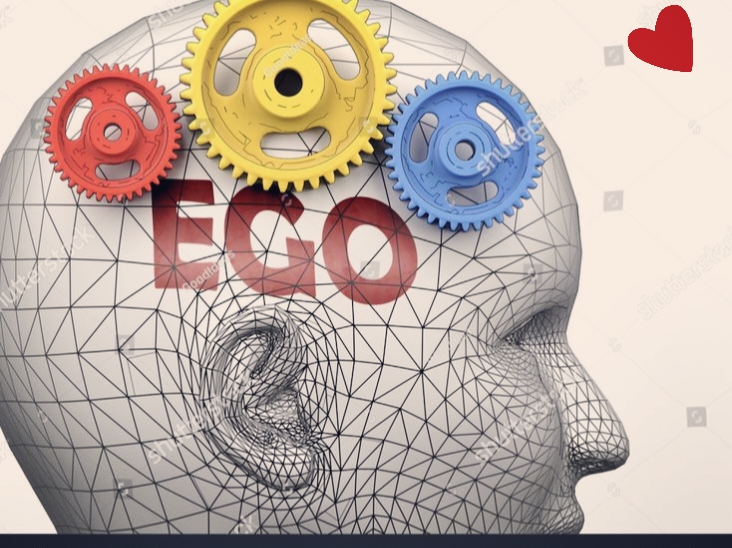
Who am I now :Identity Once there was a young woman named Mira who felt lost in the crowd. She knew there was something unique inside her, but she struggled to understand who she truly was. Every day, she tried on different roles—student, daughter, friend—but none felt like her true self.
One night, Mira had a dream where she saw a mirror that didn’t reflect her appearance but showed moments of courage, kindness, and creativity. She realized her identity wasn’t about fitting into a mold but about embracing these moments that made her feel truly alive.
From that day, Mira began writing down her thoughts, celebrating small victories, and listening deeply to her heart. She smiled more freely, spoke her truth, and made choices that aligned with her values. Slowly, the puzzle pieces of her identity came together—not as a single image, but a beautiful mosaic of strength, growth, and authenticity.
Mira learned that identity isn’t fixed but a journey of becoming. The more she embraced her true essence, the more confident and happy she became.
This story illustrates how personal identity can be a path of exploration and self-acceptance, helping you connect with your unique strengths and values.
Action in Inaction, Inaction in Action: 30 Thoughts Per Day to Master Effortless Power for Students
Table of Contents
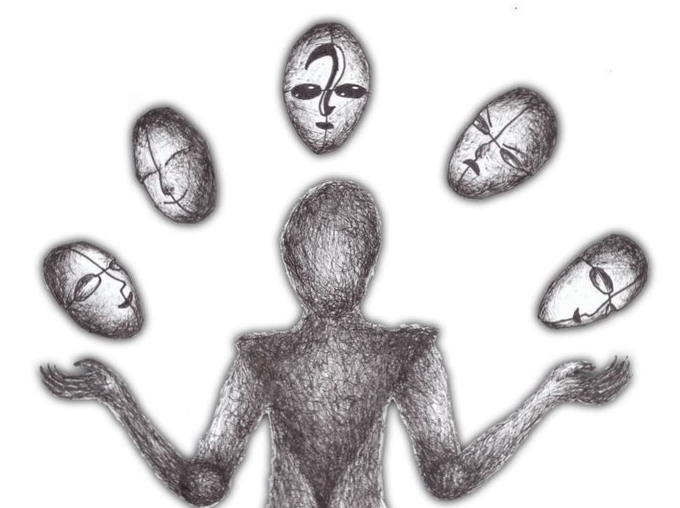
Who am i now:Type of identies with example.
1.Personality traits (e.g., introverted, creative, caring)
2.Beliefs and values (e.g., honesty, kindness, political views, religious beliefs)
3. Gender identity (e.g., woman, man, non-binary)
4. Sexual orientation (e.g., heterosexual, bisexual)
5. Ethnicity and race (e.g., Hispanic, Black, Asian)
6. Nationality and citizenship (e.g., Canadian, Indian)
7. Family roles and relationships (e.g., sibling, parent)
8. Career and occupation (e.g., teacher, engineer)
9. Hobbies and interests (e.g., musician, athlete)
10. Education level (e.g., college graduate
11. Health and ability status (e.g., able-bodied, living with disability)
12. Social class and socioeconomic status (e.g., middle class)
13. Cultural practices and language (e.g., bilingual, cultural traditions)
14. Life experiences and achievements (e.g., awards, personal milestones)
15. Spiritual or religious affiliation (e.g., Buddhist, spiritual but not religious)
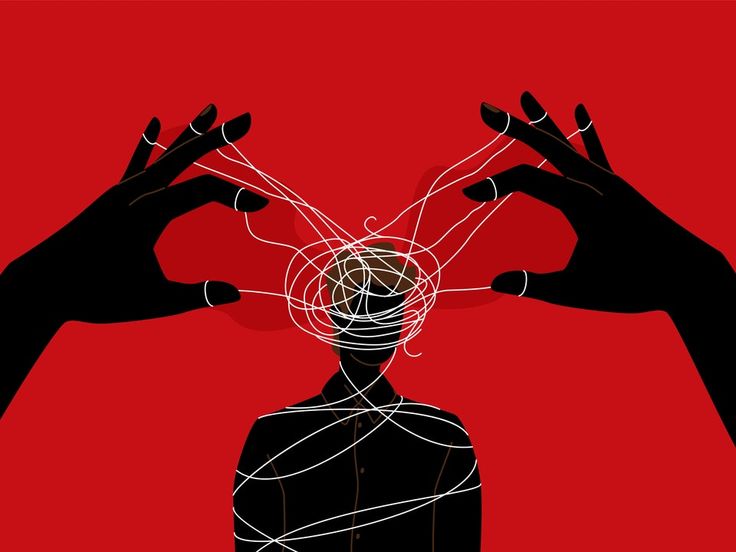
Who am i now:Identity crisis.
Here are examples of identity crisis scenarios:
1. Adolescence: A teenager begins questioning the beliefs and values taught by their family and starts exploring different friendship groups, hobbies, or political views to discover who they truly are.
2.Career Transition: An adult who has worked in the same job for years suddenly feels unsure if their career reflects their true passions and interests, leading them to explore new professions or go back to school.
3. Cultural Identity: Someone growing up between two cultures struggles to decide which traditions and values they identify with most, causing confusion about their place in both cultural groups.
4. Gender Identity: A person feels confused about their gender and experiments with different ways of expressing themselves before settling on the identity that feels right to them.
Post-Traumatic Identity Shift: After a major life event like illness or loss, an individual may question their purpose, beliefs, or self-image, leading to an identity reevaluation
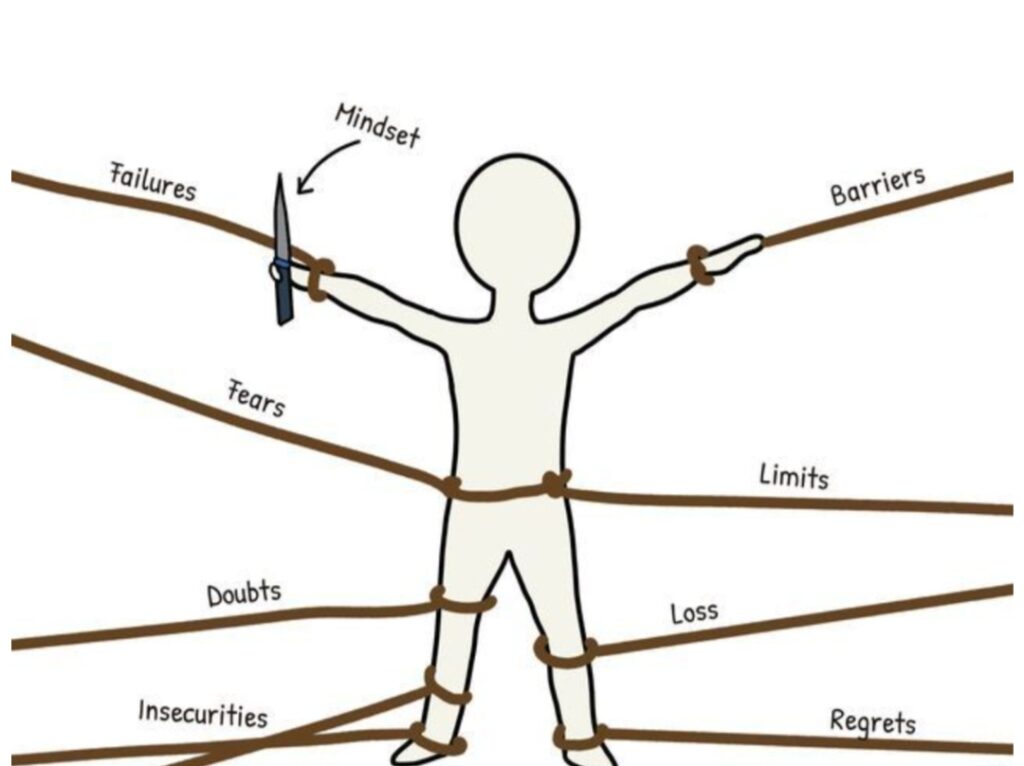
Who am i now:way to Question Your Identity.
1.Self-Reflection: Spend quiet time thinking about what makes you unique, your values, and feelings. Ask questions like “What do I truly value?” or “What parts of myself do I show to others?.
2. Explore Roles:Who am i now: Notice the different roles you play (friend, student, sibling) and ask how each role fits into your sense of self. Do you feel true to yourself in each role, or do you change to fit in?
3. Challenge Assumptions: Who am i now: beliefs, traditions, and labels you’ve accepted from family, culture, or society. Explore whether these fit who you feel you are.Try New Experiences
4. Step outside your comfort zone—meet new people, try new activities, and see how these make you feel about yourself.
5. Journal and Ask Questions: Who am i now: answers to questions like “Who am I?” “What do I want to be known for?” “In what situations do I feel most myself?”
6. Seek FeedbackWho am i now: Talk to trusted friends or mentors about how they see you and consider how their views compare to your own self-image.
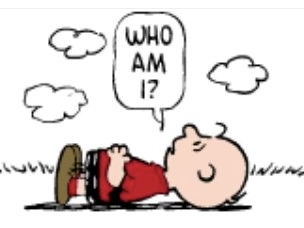
Techniques to reinforce a new identity
long-term include focusing on daily actions, mental habits, and adopting a supportive environment. Here are effective strategies:
1. Identity-Aligned HabitsConsistently practicing behaviors that reflect your new identity reinforces the change. For example, if you want to be “a runner,” make running a regular part of your schedule—even brief runs help define this new self.

2. Start with Micro-ActionsBegin with small, manageable habits that are easy to stick with. Scaling down actions—such as meditating for one minute or writing a single sentence daily—helps build consistency without overwhelming effort.
3. Habit StackingLink new identity-targeted behaviors to existing routines. For instance, after brushing your teeth, meditate for a minute. This increases reliability and repetition, helping the new identity feel automatic over time.
4. Positive Self-Talk and VisualizationUse identity-focused language, write statements that represent your desired self, and visualize your future self living this identity. Affirming your identity in thoughts and words encourages belief and alignment.
5. Narrative ExplorationReframe your life story by journaling or talking about your new identity and experiences. Assigning empowering meanings to changes and setbacks supports long-term resilience and growth.
6. Strengths-Based ReflectionRegularly reflect on and develop your strengths, creating positive feedback about your progress and the person you’re becoming. Seek support or feedback from friends or mentors to expand self-awareness.

7. Centered Identity TransformationIntegrate new behaviors with your core values and social roles, making the new identity fit naturally with your life. This approach leads to less effortful self-regulation and greater resilience during challenges.
Daily practice of these techniques sustains identity change by embedding it into routines, thoughts, and relationships, supporting long-lasting transformation.
Continue……
tank you for your support 🙏🙏🙏.
Key Reference Merriam-Webster
Dictionary provides a standard definition: https://www.merriam-webster.com/dictionary/identity
Britannica Dictionary explains it as qualities making a person or group unique: https://www.britannica.com/dictionary/identity
Stanford’s academic paper on “What is Identity”: https://web.stanford.edu/group/fearon-research/cgi-bin/wordpress/wp-content/uploads/2013/10/What-is-Identity-as-we-now-use-the-w …