

Learn how to expand your comfort zone effortlessly with these practical, easy-to-follow steps tailored for students. Boost personal growth, confidence, and achievement.
Table of Contents
How to Expand Your Comfort Zone Effortlessly:Introduction
Stepping outside your comfort zone can feel intimidating, but expanding it is key to personal growth and success. This guide offers students practical, effortless strategies to push boundaries gradually and sustainably. By making small changes and embracing new challenges, students can build confidence, learn new skills, and unlock their true potential.
1. Understand Your Comfort Zone
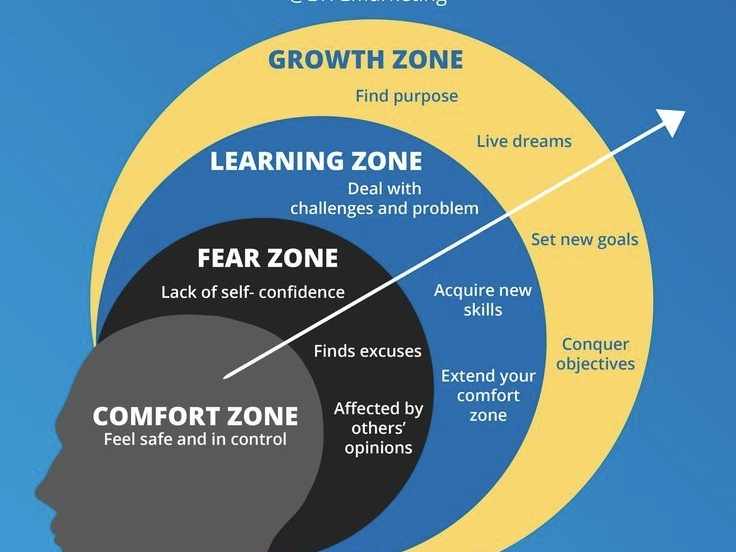
Your comfort zone is a psychological state where activities feel familiar and stress-free. Growth happens when you move into the “stretch zone,” where things feel challenging but achievable. Gradual expansion leads to bigger opportunities and self-confidence.
Your comfort zone represents a psychological state where you feel at ease, in control, and experience minimal anxiety or stress from familiar routines and environments. Growth occurs when you venture into the “stretch” or “growth zone” just beyond it, where moderate challenges spark optimal performance without overwhelming fear, as outlined in the Yerkes-Dodson law from a 1908 psychology experiment. Students often identify their comfort zone by noting activities that feel safe and predictable, such as sticking to the same study group, avoiding new electives, or only socializing with known friends.
Key Characteristics
Comfort zones minimize uncertainty, promoting steady but stagnant performance through habits like repeating the same daily commute or avoiding public speaking. They provide security—such as binge-watching shows instead of tackling unfamiliar homework—but limit skill development and opportunities. Psychologists like Judith Bardwick describe it as an “anxiety-neutral position,” while Brené Brown emphasizes reduced vulnerability and perceived control over resources like time and admiration.
How to Expand Your Comfort Zone Effortlessly:Real-World Student Examples
Consider a student who always sits in the back row during lectures; this spot feels safe and low-pressure, representing their comfort zone where they listen passively without participating. Another example involves meal choices—opting for the same cafeteria sandwich daily avoids the anxiety of trying unfamiliar foods, reinforcing routine but missing nutritional variety or social chats at different tables. For social scenarios, texting friends instead of joining campus events keeps interactions predictable, yet it prevents building networks essential for internships or group projects.
Beyond the Comfort Zone
Pushing slightly into discomfort, like raising a hand in class or sampling a new dish, activates the growth zone with “optimal anxiety” that enhances learning and adaptability. Track your zone by journaling daily activities and rating anxiety levels (1-10); low scores (1-3) signal comfort, while 4-6 indicates productive stretching. Regular reflection helps students expand this boundary effortlessly, fostering confidence and resilience over time.
2. Start with Baby Steps
You don’t need to make giant leaps. Start small by altering daily habits: take a new route to school, try a different study method, or join a new club. These simple changes gently stretch your zone without overwhelming you.
Students expand their comfort zones through targeted exercises that introduce mild discomfort, fostering growth without overwhelm. These activities, drawn from psychological strategies, build resilience by gradually shifting from familiar routines to new challenges. Start with low-stakes options and progress as confidence grows.

How to Expand Your Comfort Zone Effortlessly:Beginner Exercises
- Take a cold shower daily to tolerate physical discomfort and boost mental toughness.
- Smile, make eye contact, and say “Hi” to a stranger on campus or in the elevator to practice social initiation.
- Order a new item from the cafeteria menu you’ve never tried, embracing uncertainty in small choices.
- Take a different route to class or park farther away, disrupting autopilot habits.
- Sit in the front row of a lecture instead of your usual spot, increasing visibility and engagement.
How to Expand Your Comfort Zone Effortlessly:Social and Communication Exercises
- Compliment a stranger, such as a classmate’s outfit, to spark brief positive interactions.
- Start a conversation with someone next to you in the library or on public transport.
- Join a new campus club or study group, even if it feels awkward at first.
- Turn on your video during online classes or Zoom study sessions.
- Volunteer as an audience participant in a class demo or event.
How to Expand Your Comfort Zone Effortlessly:Physical and Routine-Breaking Exercises
- Take stairs instead of the elevator and walk or bike to campus when possible.
- Try a new gym class like yoga or a sport you’ve avoided, signing up for a free trial.
- Hang from a pull-up bar for one minute or do bodyweight exercises outdoors.
- Wake up at 5 AM for a quiet study session or grounding routine.
- Get intentionally lost on campus or nearby with a map, then find your way back.
How to Expand Your Comfort Zone Effortlessly:Creative and Skill-Building Exercises
- Post an original thought or photo on social media, not just shares.
- Write and share a short article or video on a class topic you’re passionate about.
- Attend a meetup, art class, or cooking workshop outside your major.
- Eat a meal alone at a campus diner, practicing solo confidence.
- Read a book from a genre you usually skip, like personal development.
Consistent practice of these exercises, starting with 1-2 per week, helps students normalize discomfort and unlock academic and personal potential. Track progress in a journal to see expansion over time.
Workplace discomfort arises from unfamiliar tasks, interactions, or pressures that push beyond routine safety, offering opportunities for professional growth when approached gradually. Exercises target common student scenarios like internships, part-time jobs, or campus leadership roles, building resilience through actionable steps. Implement one weekly, reflecting on outcomes to expand tolerance.
How to Expand Your Comfort Zone Effortlessly:Social and Networking Exercises
- Introduce yourself to a coworker or supervisor you’ve never spoken to, asking one question about their role.
- Offer help to a colleague on a task outside your expertise, even if it feels exposing.
- Attend a team meeting or networking event without a pre-planned agenda, engaging actively.
- Give genuine feedback in a one-on-one with a peer, practicing constructive communication.
- Eat lunch with unfamiliar coworkers instead of alone or with your usual group.
Task and Skill Challenges
- Volunteer for a project requiring new software or skills, dedicating 30 minutes daily to learn it.
- Speak up in meetings with an idea or question, starting with low-stakes comments.
- Handle a customer complaint or difficult client interaction calmly, scripting responses beforehand.
- Switch desks or workstations for a day to adapt to new environments and visibility.
- Stay 30 minutes late to finish a task or assist others, building stamina.
Leadership and Visibility Exercises
- Lead a small team huddle or presentation on a familiar topic first.
- Negotiate a deadline extension or resource need with a manager directly.
- Dress slightly differently from your norm, like adding a bold accessory, to own personal style.
- Track and share your weekly achievements in a team update email.
- Role-play tough scenarios, like salary discussions, with a mentor.
Regularly practicing these builds confidence in handling workplace ambiguity, turning discomfort into career advancement for students entering professional settings. Journal anxiety levels before and after to measure progress.
How to Use Our Senses to Our Growth: A Comprehensive Guide for Students
3. Set Manageable Challenges
Break goals into manageable tasks. For example, if public speaking feels daunting, begin by speaking in a small group before addressing larger crowds. This builds confidence progressively.
4. Surround Yourself with Positive Influences
Spend time with confident and motivated peers. Their energy can inspire you to take risks and adopt a growth mindset.
5. Join Groups or Take New Classes
Engage in activities where you can meet new people and learn different skills. Try a hobby or academic subject outside your usual interests.
6. Team Up with a Friend
Trying new things is less scary with a friend. Partner up for activities like sports, volunteering, or study sessions to make the experience enjoyable and supportive.
7. Embrace Failure as Learning
Understand that setbacks are part of growth. Each mistake is feedback that helps refine your approach and bring you closer to success.
8. Record Your Progress
Keep a journal to reflect on challenges you faced, how you handled them, and what you learned. Tracking progress reinforces your growth mindset.
9. Build New Skills Continuously
Invest in learning new skills related to academics, hobbies, or personal interests. Skill-building boosts confidence and opens doors to new experiences.
10. Practice Mindfulness and Grounding
Mindful awareness helps manage discomfort and anxiety when stepping into new situations. Techniques like deep breathing or meditation can keep you centered.
11. Visualize Success
How to Expand Your Comfort Zone Effortlessly:Regularly imagine yourself succeeding in new activities. Visualization prepares your mind to embrace challenges positively.
12. Reward Yourself
How to Expand Your Comfort Zone Effortlessly:Celebrate milestones, even small ones. Rewards create positive associations with stepping outside familiar zones.
13. Tackle Difficult Conversations
How to Expand Your Comfort Zone Effortlessly:Practice having honest, respectful conversations about topics you avoid. This builds emotional resilience and communication skills.
Tackle difficult conversations by preparing thoroughly, staying calm, and focusing on mutual understanding rather than winning arguments. This approach builds emotional resilience and communication skills essential for students navigating group projects, roommate conflicts, or academic feedback sessions. Practice in low-stakes scenarios first to expand your comfort zone effortlessly.
How to Expand Your Comfort Zone Effortlessly:Preparation Steps
- Identify your goal: Clarify what outcome you seek, such as resolving a misunderstanding with a study partner, before initiating the talk.
- Anticipate reactions: List potential responses from the other person and rehearse calm replies to stay grounded.
- Choose the right time and place: Pick a private, neutral setting without distractions, like a quiet campus café after class.
How to Expand Your Comfort Zone Effortlessly:During the Conversation
- Use “I” statements: Express feelings without blame, e.g., “I feel overwhelmed when deadlines shift last minute” instead of “You always change plans”.
- Listen actively: Paraphrase their points to show understanding, such as “It sounds like you’re stressed about the workload too”.
- Stay present: Breathe deeply if tension rises, pausing to manage emotions and avoid reactive responses.
How to Expand Your Comfort Zone Effortlessly:Follow-Up Actions
- Summarize agreements: End by recapping next steps, like “We’ll split the research evenly by Friday”.
- Reflect afterward: Journal what worked, what didn’t, and one lesson learned to refine future talks.
- Seek feedback: Ask a trusted friend to role-play upcoming conversations for practice.
How to Expand Your Comfort Zone Effortlessly:Students who master these techniques turn tense discussions into growth opportunities, enhancing relationships and leadership potential in academic and future professional settings. Start with minor issues to build momentum.
14. Volunteer or Take Leadership Roles
How to Expand Your Comfort Zone Effortlessly:Engage in community work or lead projects. These roles often push you to develop skills like teamwork and public speaking.
15. Travel or Explore New Places
How to Expand Your Comfort Zone Effortlessly:Visiting new environments broadens perspectives and builds adaptability. Even local exploration can be an effortless way to extend your comfort zone.
External Resources
How to Expand Your Comfort Zone Effortlessly:For further tips on expanding your comfort zone, visit: