
Use Our Senses to Our Growth:Discover how to harness the power of your five senses to foster personal growth and self-awareness. Learn practical techniques to use sight, sound, smell, taste, and touch for emotional and mental development.”>
Introduction: The Power of Our Senses for Growth
Our senses are essential gateways to the world, shaping how we experience, learn, and evolve. Growth involves not just intellectual learning but also deeper sensory engagement that cultivates mindfulness, self-awareness, and emotional resilience. Using our senses intentionally can transform our perceptions and open new pathways for personal development.
Use Our Senses to Our Growth:The Five Senses and Their Role in Personal Growth
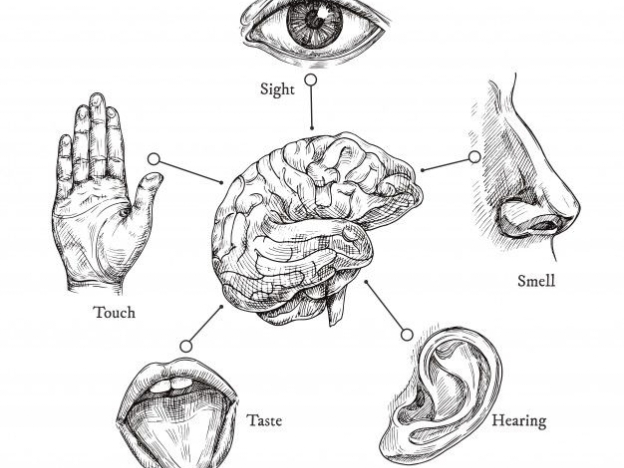
To leverage our senses effectively for growth, it is critical to understand each sense’s role and unique contributions:
- Sight: Visual information helps us interpret our environment and triggers emotions, memories, and motivation.
- Hearing: Sounds influence mood and concentration; music and nature sounds can calm or energize the mind.
- Smell: Scent connects us to memories and emotions strongly, offering a powerful tool for grounding and mood regulation.
- Taste: Taste influences satisfaction and enjoyment but also mindfulness through appreciating simple pleasures.
- Touch: Physical sensations anchor us to the present moment and help manage stress and anxiety.
How to Use Each Sense for Your Growth
1. Using Sight for Growth
Practice mindful observation — notice colors, shapes, and movements around you. Visual journaling or vision boards help clarify goals and inspire self-reflection.
2. Harnessing Sound
Incorporate soundscapes or music that motivate and calm you. Practicing active listening enhances focus and empathy in social interactions.
3. Engaging Smell
Create sensory rituals with essential oils or natural scents to trigger positive emotional states. Smell can anchor you in calming moments for emotional balance.
4. Appreciating Taste
Slow down meals to savor flavors consciously. This practice nurtures mindfulness and gratitude, fostering a healthier relationship with food and experiences.
5. Experiencing Touch
Grounding exercises using textures or temperature changes relieve anxiety and promote calmness. Regular physical activity also heightens body awareness and confidence.
The Concept of Sense Foraging: Expanding Your Self
“Sense foraging” is an approach that encourages actively seeking new sensory experiences without judgment or expectation. This practice can expand self-awareness and creativity by shifting focus from mental habits to sensory input, enabling growth through embracing novel, surprising, or disruptive sensations.
Practical Exercises to Develop Sensory Awareness
- Daily Sensory Check-ins: Spend 5-10 minutes tuning into each sense sequentially to ground yourself in the present.
- Nature Walks: Engage all senses by observing, listening, touching, smelling, and even tasting (e.g., edible plants) in natural settings.
- Creative Expression: Use sensory details vividly in writing or art to deepen emotional understanding and communication skills.
- Mindful Eating: Practice eating with full sensory attention, noting textures, tastes, and smells.
- Sensory Meditation: Focus on one sense during meditation sessions to enhance concentration and reduce stress.
Why Students Should Cultivate Sensory Growth
Developing sensory awareness improves academic performance by enhancing concentration, memory, and stress management. Emotionally, it equips students to navigate challenges with resilience and empathy. Sensory growth also encourages creativity and deeper connection with the world and oneself.
12 Daily Sensory Exercises for Student Growth
Students harness their senses through these quick, 5-10 minute exercises to boost focus, reduce stress, and enhance self-awareness. Each targets one or more senses, drawing from mindfulness and sensory play practices adapted for academic life. Practice one daily or rotate for balanced growth.
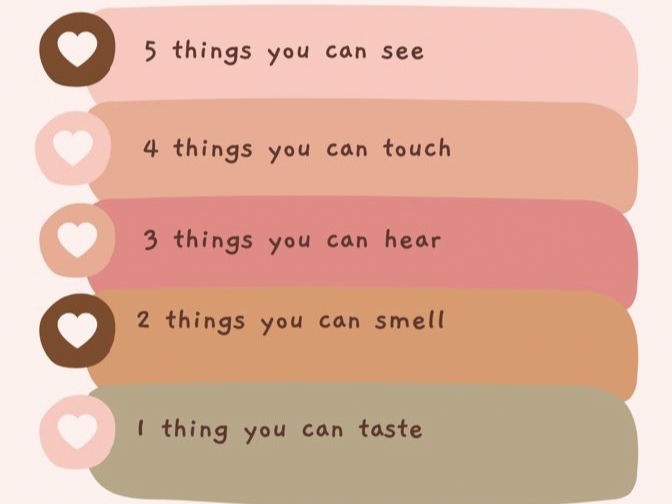
- Sight Scan: Sit quietly and scan your surroundings, noting five colors, shapes, or movements in detail. This sharpens visual awareness and calms racing thoughts before studying.
- Sound Mapping: Close your eyes and list five distinct sounds around you, from distant traffic to your breath. Active listening builds concentration and empathy in group settings.
- Scent Inventory: Inhale deeply from a nearby item like coffee, lotion, or fresh air, describing its aroma. Scents anchor emotions and trigger positive memories for motivation.
- Taste Awareness: Chew a single piece of fruit or gum slowly, identifying flavors, textures, and aftertaste. Mindful eating fosters gratitude and breaks mindless snacking habits.
- Texture Walk: Rub your fingers over five different surfaces nearby, like fabric, wood, or skin. Touch grounding reduces anxiety and heightens present-moment focus.
- Breath Temperature: Breathe in cool air and out warm air, noticing the sensation on your nostrils. This tactile exercise regulates emotions during exam stress.
- Nature Soundtrack: Play or seek out 5 minutes of rain, birds, or waves; describe how it shifts your mood. Auditory immersion enhances creativity for writing assignments.
- Color Breathing: Visualize inhaling a calming color like blue and exhaling tension as gray. Visual imagery strengthens goal visualization and resilience.
- Finger Painting: Dip fingers in lotion or water and draw simple shapes on paper or skin. Tactile creativity sparks innovative thinking for problem-solving.
- Aroma Anchor: Sniff an essential oil or spice daily, pairing it with a growth affirmation like “I focus deeply.” Olfactory cues reinforce habits and confidence.
- Echo Clap: Clap and listen to the echo in your space, varying volume and speed. Sound play improves auditory processing for better lecture retention.
- Body Squeeze: Gently squeeze your arms, legs, and hands progressively, releasing tension. Proprioceptive input builds body awareness and study endurance.
12 Classroom-Adapted Sensory Exercises
Teachers adapt these sensory exercises for a group of 25 students by using simple props, rotations, or simultaneous participation to maintain engagement without chaos. Each takes 5-10 minutes, fits into transitions, and boosts collective focus and growth through shared sensory experiences.
- Group Sight Scan: Teacher calls out categories (e.g., “Find something red”); students point and share one item aloud in a quick round-robin. This builds visual awareness and class participation.
- Class Sound Mapping: Everyone closes eyes; teacher times 1 minute to silently note sounds, then pairs share 2-3 via “whisper chain” across rows. Enhances group listening and reduces noise overload.
- Shared Scent Inventory: Pass around 3-5 safe classroom scents (e.g., mint leaves, markers) in trays; students inhale and jot reactions on mini whiteboards for group discussion. Anchors emotions collectively.
- Communal Taste Awareness: Divide into 5 groups; each samples a fruit slice slowly, describes via group huddle, then one rep shares with class. Promotes mindful eating habits in a social format.
- Texture Circuit: Set up 5 stations with fabrics/ objects; students rotate every 30 seconds in lines of 5. Builds tactile grounding through movement.
- Synchronized Breath Temperature: Class inhales cool air and exhales warm together, led by teacher count; repeat 5x with eyes closed. Regulates group stress levels.
- Playlist Nature Soundtrack: Play ambient sounds via speaker; students journal mood shifts in pairs, then vote on favorites via hand signals. Sparks class creativity.
- Collective Color Breathing: Teacher guides visualization (inhale blue, exhale gray); students mirror with arm waves. Strengthens shared resilience visualization.
- Group Finger Painting: Provide trays of washable paint/lotion; 5-student clusters create collaborative murals on large paper. Fosters tactile innovation.
- Class Aroma Anchor: Diffuser or shared oil bottles; recite affirmation chorally while inhaling. Reinforces habits through unified olfactory cues.
- Echo Clap Circle: Form 5 circles of 5; each group claps patterns and echoes, then performs for class. Improves auditory processing via peer feedback.
- Progressive Body Squeeze: Teacher leads seated squeezes from head to toe; students follow in unison, holding 5 seconds per area. Enhances body awareness for sustained attention.
Aroma Anchor Exercise: Step-by-Step Guide
The Aroma Anchor exercise uses scent to ground students in the present, pair it with a positive affirmation, and reinforce habits like focus or confidence for personal growth. Perform it daily for 2-5 minutes individually or in class to build emotional resilience.
Preparation
Gather safe, accessible scents such as essential oils (lavender for calm, peppermint for alertness), fresh herbs, lotion, or classroom items like markers. For a group of 25, prepare 5-6 shared bottles or diffusers to pass around, ensuring no allergies.
Use Our Senses to Our Growth:Steps to Perform
- Sit comfortably and hold or uncap the scent source close to your nose.
- Inhale deeply and slowly through your nose for 4 counts, noting the aroma fully—its intensity, sweetness, earthiness, or freshness.
- Pause for 3 counts, reflecting on sensations or memories it evokes without judgment.
- Exhale slowly for 4 counts while silently or aloud reciting a growth affirmation, such as “I focus deeply” or “I grow stronger daily.”
- Repeat 5-10 breaths, letting the scent anchor the positive state.
Classroom Adaptation for 25 Students
Teacher passes scents in trays to 5 groups; each student inhales individually then shares one-word reactions chorally (e.g., “Calm!”). Recite affirmation as a unified class chant to amplify collective energy.
Benefits and Tips
Use Our Senses to Our Growth:This olfactory technique links smell directly to emotional centers, reducing anxiety and boosting memory retention for studies. Practice consistently with the same scent to strengthen the anchor; rotate scents weekly for variety.
Best Essential Oils for Aroma Anchor
Use Our Senses to Our Growth:Lavender, peppermint, cedarwood, frankincense, and patchouli stand out as top essential oils for aroma anchors, offering grounding, focus, and calm ideal for students. These scents link directly to emotional centers, reinforcing affirmations like focus or resilience when inhaled daily.
Recommended Oils and Benefits
- Lavender: Calms anxiety and promotes relaxation; pair with “I stay focused” for study sessions.
- Peppermint: Boosts mental clarity and energy; use for “I learn easily” to enhance concentration.
- Cedarwood: Provides stability and reduces stress; anchor “I feel secure” for emotional balance.
- Frankincense: Deepens meditation and grounds the mind; affirm “I grow stronger” during reflection.
- Patchouli: Relaxes body-mind connection; ideal for “I am present” to foster serenity.
Safe Concentrations for Classroom Use
Dilute oils to 1-2% for students: mix 6-12 drops per ounce (30ml) of carrier like jojoba or unscented lotion to minimize irritation. For diffusion in groups of 25, use 3-5 drops in 100ml water, running 20-30 minutes max; always test for allergies first.
Application Tips
Use Our Senses to Our Growth:Apply diluted oil to wrists or use personal inhalers for individual anchors; in class, pass diluted bottles or diffuse centrally. Start with one oil weekly to build association, storing in dark glass away from heat.
Using Sight for Growth
Use Our Senses to Our Growth:Students harness sight through targeted visual exercises to sharpen focus, boost creativity, and foster self-awareness, turning everyday observation into a tool for personal development. These practices enhance academic performance by improving attention and memory while building resilience.
Key Benefits
Visual exercises strengthen neural pathways for perception, aiding goal visualization and emotional regulation. They reduce study stress by anchoring the mind in vivid details and promote confidence through creative expression.
Use Our Senses to Our Growth:12 Daily Sight Exercises for Students
- Sight Scan: Scan surroundings for 5 specific colors or shapes, noting details aloud or in a journal to heighten awareness.
- Vision Boarding: Cut images representing goals and arrange into a collage; review daily to reinforce motivation.
- What’s Missing?: View 10 objects for 30 seconds, cover, then identify absences to train memory.
- Pattern Tracking: Follow repeating designs in tiles or fabrics, predicting next elements for focus.
- Color Breathing: Visualize inhaling a calming color and exhaling stress, using real objects as anchors.
- Tracing Mazes: Trace complex paths blindfolded then with eyes open to build precision.
- Goal Ladder: Draw a ladder with steps to a dream; color each rung upon completion.
- Art Description: Study a painting for 1 minute, then describe emotions and stories it evokes.
- Flashcard Matching: Flip through goal images quickly, matching pairs mentally for speed.
- Nature Framing: Frame outdoor scenes with hands, noting 5 details to spark gratitude.
- b-d-p-q Hunt: Circle letters in text to discriminate shapes, aiding reading accuracy.
- Block Building: Stack blocks while visualizing structures, enhancing spatial planning.
Classroom Adaptation for 25 Students
Use Our Senses to Our Growth:Divide into 5 groups for rotations at stations with mazes, boards, or trays; share observations in quick circles to build collective insight. Use projectors for group visualizations.
Tips for Implementation
Practice 5-10 minutes daily, combining with affirmations like “I see opportunities clearly.” Track progress in a visual journal for sustained growth.
Harnessing Sound for Growth
Use Our Senses to Our Growth:Students tap into sound to sharpen focus, regulate emotions, and deepen empathy, transforming auditory input into a catalyst for concentration and resilience. These exercises leverage hearing for mindfulness, enhancing lecture retention and creative thinking in daily routines.
Key Benefits
Auditory practices boost brain states for learning by filtering noise and amplifying attention, while binaural beats or nature sounds promote relaxation and mood elevation. They foster powerful listening skills essential for collaboration and stress reduction.
Use Our Senses to Our Growth:12 Daily Sound Exercises for Students
- Sound Mapping: Close eyes and identify 5 distinct sounds, noting pitch and distance to build auditory awareness.
- Bell Listening: Ring a bell; raise hand when sound fades completely, then share what lingered for group focus.
- Nature Soundtrack: Play rain or waves for 5 minutes; journal mood shifts to spark creativity.
- Powerful Listening: Sit silently for 1 minute post-bell; list heard sounds to train selective attention.
- Tongue Twisters: Recite phrases like “She sells seashells” slowly then fast to refine articulation and confidence.
- White Noise Focus: Use app-generated noise during study; note improved concentration over silence.
- Echo Clapping: Clap patterns and listen to echoes, varying speed for auditory memory.
- Mindful Conversation: Pair up; one speaks for 1 minute while other listens without interrupting, then switch.
- Binaural Beats: Listen to focus tracks (e.g., 14Hz); track task endurance before/after.
- Breath with Hum: Inhale deeply, exhale with sustained “hmm” tone, feeling vibrations for grounding.
- Ambient Scan: Walk campus noting layered sounds (near/far); reflect on overlooked audio cues.
- Affirmation Chant: Chant growth phrase rhythmically, syncing with breath for retention.
Classroom Adaptation for 25 Students
Use Our Senses to Our Growth:Divide into 5 groups for rotations: one does bell listening, another sound mapping with whispers; converge for class shares via microphone passes. Use free apps or phone speakers for group tracks.
Tips for Implementation
Start with 5 minutes daily, pairing sounds with affirmations like “I hear opportunities clearly.” Rotate exercises weekly; track progress in audio journals for sustained auditory growth.
Use Our Senses to Our Growth:Practical Classroom Activities Using Sound for Attention
Here are practical sound-based activities designed specifically for classroom settings to help 25 students improve attention, focus, and mindfulness during lessons:
- Sound Bingo: Prepare bingo cards with different classroom or nature sounds (e.g., clock ticking, page turning, bird chirping). Play sounds or have students identify real ones during class, marking them off. This sharpens auditory discrimination and sustained attention.
- Use Our Senses to Our Growth:Bell or Chime Focus: Use a gentle bell or chime to signal transitions. Students focus on the fading sound silently until it disappears completely. This exercise cultivates mindful listening and calm readiness to learn.
- Use Our Senses to Our Growth:Group Echo Clapping: Divide the class into smaller groups; each performs clapping patterns echoed by others. Switching groups keeps engagement high and trains auditory memory and coordination.
- Use Our Senses to Our Growth:Quiet Sound Hunt: Students close eyes and listen carefully to identify and count subtle ambient sounds in the classroom or outside for 1-2 minutes. Sharing results strengthens collective attention and observational skills.
- Use Our Senses to Our Growth:Rhythmic Affirmation Chant: Lead the class in chanting a positive affirmation in rhythm with claps or drum beats. This synchronizes group energy while embedding focus-enhancing phrases.
- Use Our Senses to Our Growth:Mindful Listening Pair: Pair students; one shares a story or fact while the other listens attentively without interrupting. Switch roles. This practice builds focused listening and empathy alongside sound awareness.
- Use Our Senses to Our Growth:Nature Sound Meditation: Play calming nature sounds for 3-5 minutes during breaks. Invite students to close their eyes and focus fully on auditory sensations, releasing distractions.
- Use Our Senses to Our Growth:Sound Storytelling: Incorporate relevant environmental or object sounds during storytelling. Pause and ask students to reflect on how sounds influence focus and mood.
- Use Our Senses to Our Growth:Silent Sound Wave: Students hum together, building gradually louder then softer tones, tuning into collective sound changes to boost auditory concentration.
- Use Our Senses to Our Growth:Listening Journal: Have students keep a log of interesting or unfamiliar sounds they notice throughout the week, followed by class discussion to enhance mindful attention.
Use Our Senses to Our Growth:These activities create sensory rich, interactive moments that improve auditory attention skills critical for learning success in a group classroom setting
Use Our Senses to Our Growth:Additional Resources to Explore
- Use Our Senses to Our Growth:Mind & Life Institute on Sense Foraging for Well-being
- Use Our Senses to Our Growth:Guide on Using the Five Senses in Writing
- Use Our Senses to Our Growth:Tips for Sensory Self Care
- Use Our Senses to Our Growth:Writing Skills with Senses EssayDone Academic Writing Guide
How Past Experience Shapes Our Decision Making: Best Guide for Students