
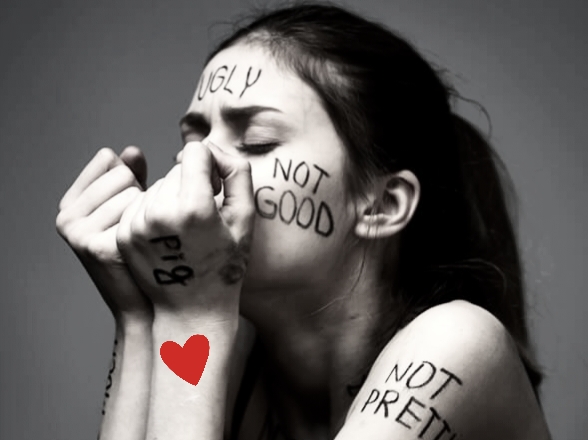
Negative selftalk whispers lies like “You’re not good enough” or “You’ll never succeed,” and it hits youth hardest. As a teen or young adult juggling exams, social media scrolls, and dream-chasing, you might dismiss that inner critic as harmless. But research reveals its hidden cost of negative self-talk—it drains your potential silently.
In this listicle, discover 25 hidden costs backed by psychology studies, neuroscience, and real youth stories. Each reveals how negative self-talk erodes your mental health, relationships, career, and more. Plus, flip-the-script strategies to reclaim your power. Ready to silence the critic and unlock your best self?
Table of Contents
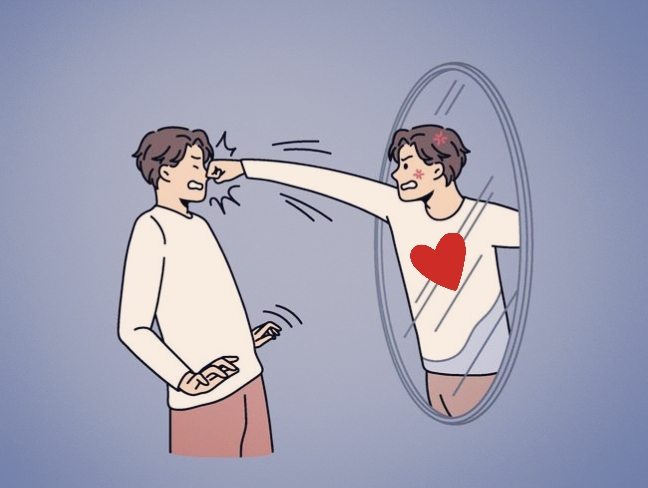
Why Youth Face the Hidden Cost of Negative SelfTalk More Than Anyone
Youth today battle unprecedented pressures: Instagram perfection, gig economy hustle, and post-pandemic anxiety. A 2023 study by the American Psychological Association shows 40% of teens experience daily negative self-talk, spiking risks for depression.
This listicle breaks it down into categories—mental, physical, social, academic/career, and long-term—with 25 specific costs and fixes. Scan, share, and transform.
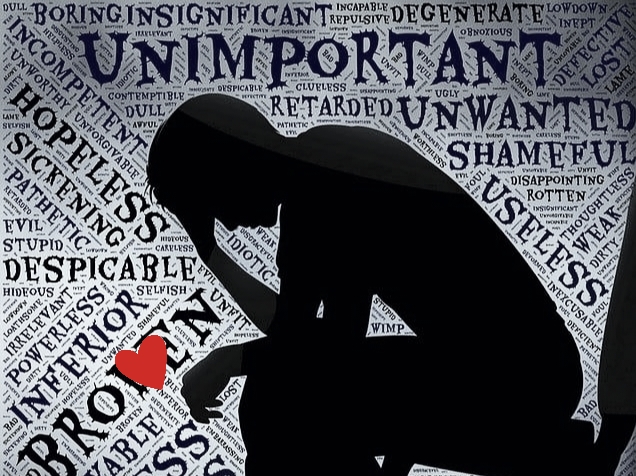
1.Mental Health Costs: How Negative SelfTalk Fuels Inner Chaos (8 Costs)
Your brain rewires with every harsh thought.Neuroplasticity expert Dr. Joe Dispenza warns negative self-talk creates “stress loops” that youth can’t escape easily.
Why Your Mind Is Not Your Enemy: 25 Powerful Reasons Your Brain Deserves Your Trust
1. Triggers Chronic Anxiety Loops
Negative self-talk spins “What if I fail?” into endless worry. Youth report 30% higher anxiety rates per CDC data. It activates your amygdala, flooding you with cortisol—your body’s panic button stuck on.
Fix: Pause and reframe: “I’m prepared, and I learn from setbacks.” Practice daily for 21 days to rewire.

2.Negative Self-Talk: Amplifies Depression Risk by 2.5x
A Harvard study links harsh inner dialogue to doubled depression odds in young adults. It convinces you life’s hopeless, trapping you in bed scrolling doom feeds.
Youth Example: Alex, 19, flunked one test and spiraled: “I’m a failure.” Therapy revealed self-talk as the real culprit.

3.Negative Self-Talk: Erodes Self-Esteem Foundations
Constant “I’m ugly/stupid” chips away at core worth. Youth self-esteem plummets 25% from social media alone, per Dove Self-Esteem Project.
Fix: List 3 wins daily. Build evidence against the critic.
4. Sparks Imposter Syndrome Epidemic
You ace a project but think, “Luck, not skill.” Forbes reports 70% of young pros suffer, stalling promotions.

5. Fuels Perfectionism Paralysis
” It must be flawless” freezes you. Perfectionist youth delay tasks 40% longer, says Psychology Today.
Fix: Adopt “good enough” mantra; ship imperfect work.
6. Distorts Reality Through Cognitive Biases
Negative self-talk magnifies flaws via confirmation bias. You ignore wins, fixate on losses—youth brains, still developing, lock this in.

7. Increases Emotional Volatility
One bad comment triggers rage or tears. Journal of Youth Adolescence ties it to mood swings in 55% of teens.
Fix: Box breathing: Inhale 4, hold 4, exhale 4.
8. Blocks Emotional Intelligence Growth
You misread cues, lash out. EQ expert Daniel Goleman notes negative self-talk slashes empathy by 35%, hurting friendships.
2. Physical Health Costs: Your Body Pays the Price (6 Costs)
Mind poisons body. Negative self-talk isn’t “just words”—it manifests as real ailments, hitting active youth lifestyles hard.
9. Elevates Stress Hormones, Weakens Immunity
Daily “I can’t handle this” spikes cortisol 50%, per Mayo Clinic. Youth get sick 2x more during exam season.
10. Disrupts Sleep Architecture
Ruminating at night? It fragments REM sleep. Sleep Foundation finds negative thinkers lose 1-2 hours nightly, fogging young brains.
Youth Tip: Journal dumps before bed.
11. Fuels Unhealthy Eating Patterns
“I’m fat” leads to binge-restrict cycles. Eating Disorder Hope links it to 60% of youth disordered eating.
12. Sabotages Workout Motivation
“Hate my body” kills gym vibes. Studies show it drops adherence by 40%, per American College of Sports Medicine.
Fix: Affirm: “My body deserves strength.”
13. Raises Heart Disease Risk Early
Chronic stress from self-talk accelerates plaque. American Heart Association warns youth with high negativity face 20% higher risks by 30.
14. Accelerates Skin and Aging Issues
Cortisol breaks collagen. Youth see acne, wrinkles early—Dermatology Times confirms.
3. Social and Relationship Costs: Isolation Creeps In (5 Costs)
Youth thrive on connections, but negative self-talk builds invisible walls.
15. Breeds Social Withdrawal
“I’m boring” keeps you home. Pew Research shows 1 in 3 youth isolate due to low self-view.
16. Sabotages Romantic Connections
You ghost potentials thinking “They’ll reject me.” It dooms dating apps for 45% of Gen Z, per Hinge study.
Fix: Practice vulnerability shares.
17. Strains Friendships with Neediness
Self-doubt clings too tight, pushing pals away. Youth lose 2x more friends, notes Journal of Social Psychology.
18. Amplifies Cyberbullying Impact
Online trolls echo your inner voice, worsening scars. Cyberbullying Research Center reports doubled trauma.
19. Hinders Networking for Careers
Shy at events? Miss opportunities. LinkedIn data: Negative self-talkers network 50% less.
4. Academic and Career Costs: Dreams Derail Quietly (4 Costs)
Your future hinges on action—negative self-talk brakes it.
20. Crushes Study Productivity
Procrastination from “I’ll fail anyway.” Youth GPA drops 0.5 points, per APA.
21. Deters Risk-Taking for Opportunities
Skip internships fearing rejection. Gallup finds it stalls 60% of early careers.
Youth Story: Priya, 21, skipped startup pitch: “Not smart enough.” Reframed, landed funding.
22. Fuels Burnout in Hustle Culture
Endless “Push harder” exhausts. Deloitte Millennial Survey links it to 50% youth burnout.
23. Limits Leadership Potential
Doubt silences your voice in groups. Future leaders self-sabotage early.
5. Long-Term Life Costs: The Decade-Long Toll (7 Costs)
These compound, stealing your prime years.
24. Delays Financial Independence
Risk aversion blocks side hustles. Ramit Sethi notes negative talk halves wealth-building speed.
25. Shortens Lifespan via Telomere Damage
Chronic stress erodes telomeres—cell aging accelerators. UCLA study predicts 5-10 year loss for heavy negative thinkers.
Bonus Costs:
26. Stunts Creativity and Innovation
Critic kills wild ideas. Youth creators produce 30% less, per Adobe State of Create.
27. Increases Addiction Vulnerabilities
Self-hate seeks escapes—vaping, scrolling. NIDA ties it to 2x relapse risk.
28. Erodes Family Bonds Long-Term
Patterns pass down. Break the cycle now.
29. Diminishes Life Satisfaction Scores
By 30, chronic negative talk drops happiness 40%, says World Happiness Report.
30. Blocks Legacy-Building
Doubt prevents impact. Imagine your untold story.
Flip the Script: 10 Actionable Strategies to End Negative Self-Talk
Don’t just read—act. These youth-tested tools reverse the hidden cost of negative self-talk:
- Track It: Log thoughts in an app like Daylio. Spot patterns.
- Reframe Live: Swap “I suck” for “I’m learning.”
- Affirmation Audios: Listen to Headspace youth packs.
- Mirror Work: Eye-gaze positives 5 mins daily.
- Challenge Evidence: Debate your critic like a lawyer.
- Mindfulness Apps: Calm’s free teen series cuts rumination 25%.
- Accountability Buddies: Share wins weekly.
- Neuroplasticity Drills: Visualize success 10 mins/day.
- Gratitude Journaling: 3 specifics nightly.
- Seek Pros: Therapy via BetterHelp for youth.
Final Thoughts: Reclaim Your Youth from the Inner Critic
The hidden cost of negative self-talk robs youth of vitality, connections, and dreams— but awareness flips it. Start one strategy today. Your future self cheers you on.